 Govt. asks Netflix not to stream content originating in Pakistan
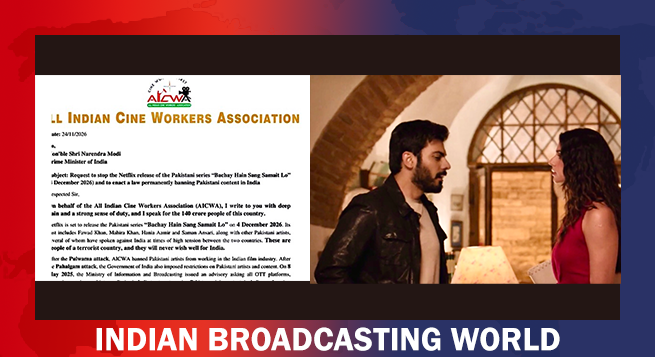 Film bodies demand ban on Netflix’s Pakistani series in India
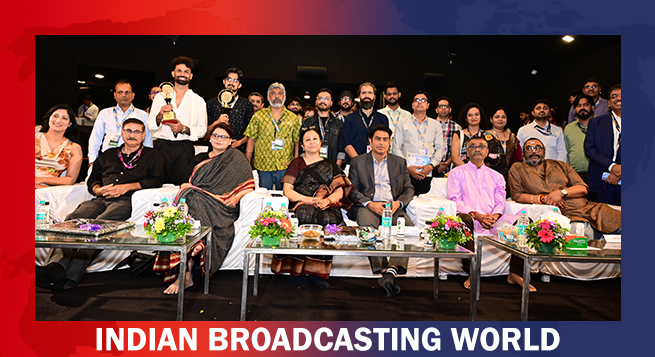 Prasar Bharati’s ‘Page Se Pitch Tak’ crowns first winners at IFFI
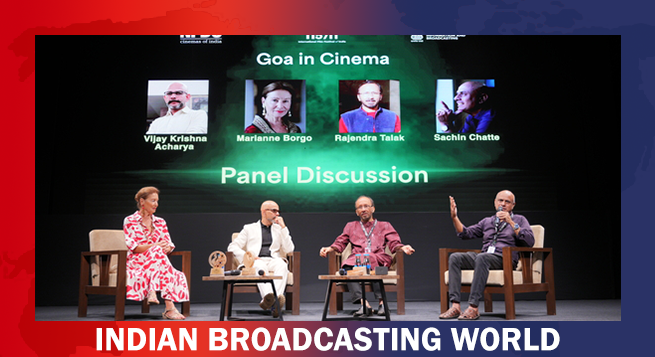 IFFI panel explores Goa’s potential as a filmmaking destination
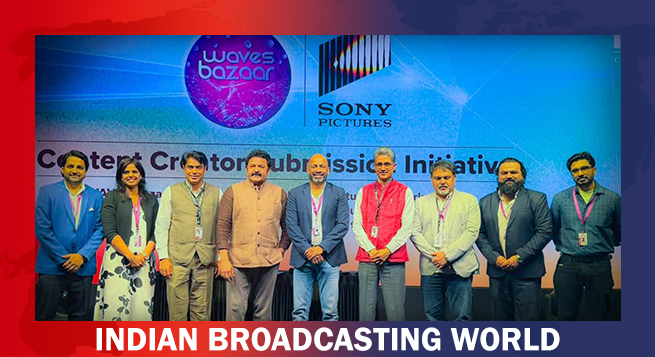 Have a Story to Tell? Sony & WAVES Bazaar Want to Hear It
 TRAI expands 1601 number series to more sectors, including DPOs
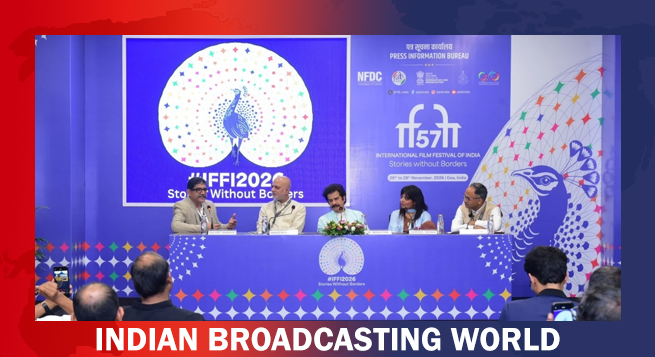 IFFI jury highlights OTT’s growing opportunities
 UK , Australia partner to improve online safety
 SRK , Kareena reunite in ‘Daddy Cool’ song




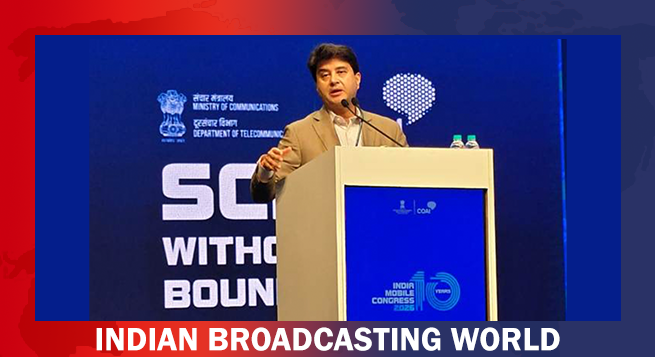
India’s Telecom Minister yesterday said the country does not allow monopolies in any sector, pushing back after Elon Musk suggested billionaire Mukesh Ambani was using political influence to block Starlink’s launch in the country.
“India does not allow a monopoly in any sector,” Telecom Minister Jyotiraditya Scindia said at a media briefing yesterday, addressing Musk’s remarks, a Reuters report stated.
Musk’s SpaceX unit is seeking entry into a telecom market with more than a billion internet users, currently dominated by the mobile networks of Ambani’s Reliance Jio and Sunil Mittal’s Bharti Airtel.
“Is Ambani the real boss of India?”, Musk wrote on X on Thursday (Oct. 8), questioning why Starlink still lacked a license despite what he said were years of compliance with Indian requirements.
He provided no evidence against Ambani. Reliance Jio did not respond to a request for comments on Musk’s remarks.
A four-year wait to launch Starlink’s satellite internet services in India has sparked heated exchanges online over business influence and regulatory delays, with Musk targeting Ambani and the political opposition joining the row.
While Starlink has already secured a licence to operate in India, a commercial launch still requires it to meet security compliance conditions and receive a spectrum assignment.
The government said on Thursday (Oct. 8) that all three licensed satellite operators, including Starlink, were at broadly the same regulatory stage, calling suggestions of an unfair or discriminatory process “baseless and misconceived”.
Meanwhile, Scindia was interacting with the media in New Delhi on the sidelines of the 10th edition of India Mobile Congress2026 being held in the Capital by the government in association with the Cellular Operators Association of India.
The Minister highlighted India’s transformation from expanding digital connectivity to developing indigenous technologies and strengthening its position in the global telecommunications ecosystem, according to an official statement put out by the government.
Airtel Weighs In On The Issue: Meanwhile, satcom players intending to use spectrum used by mobile service providers should face rules similar to those that apply to telecom players, a senior Bharti Airtel official said yesterday, according to a PTI report from New Delhi.
Telecom operators in India are currently required to get spectrum for mobile services only through auction, while satellite players have been allowed to get spectrum through an administrative process.
Bharti Airtel Director for Corporate Affairs and Group Chief Regulatory Officer Rahul Vatts told PTI at India Mobile Congress that services satcom players provide through administrative allocation differ from the new direct-to-device technology, in which satellites can transmit signals directly to mobile devices.