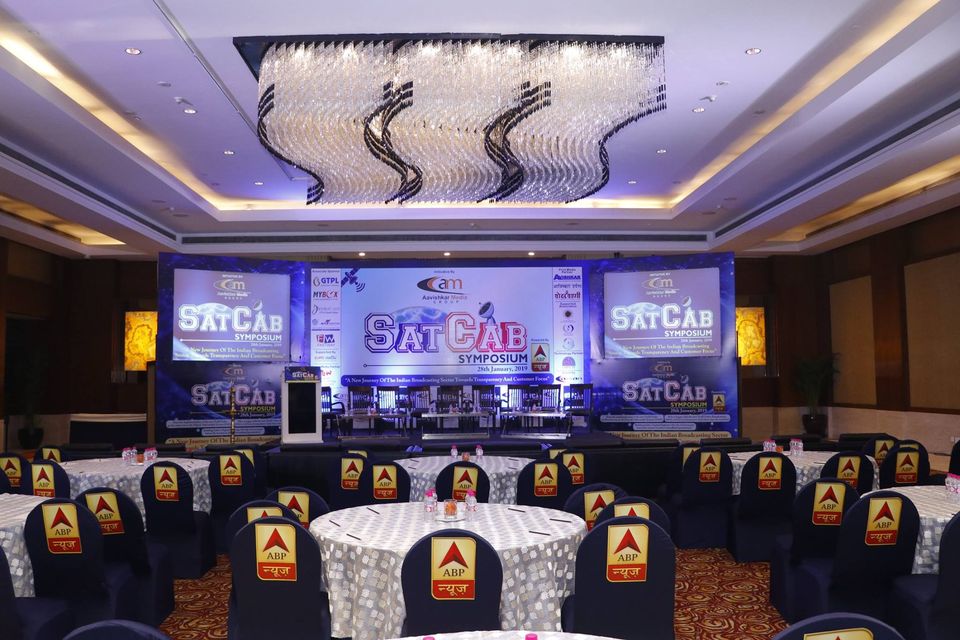
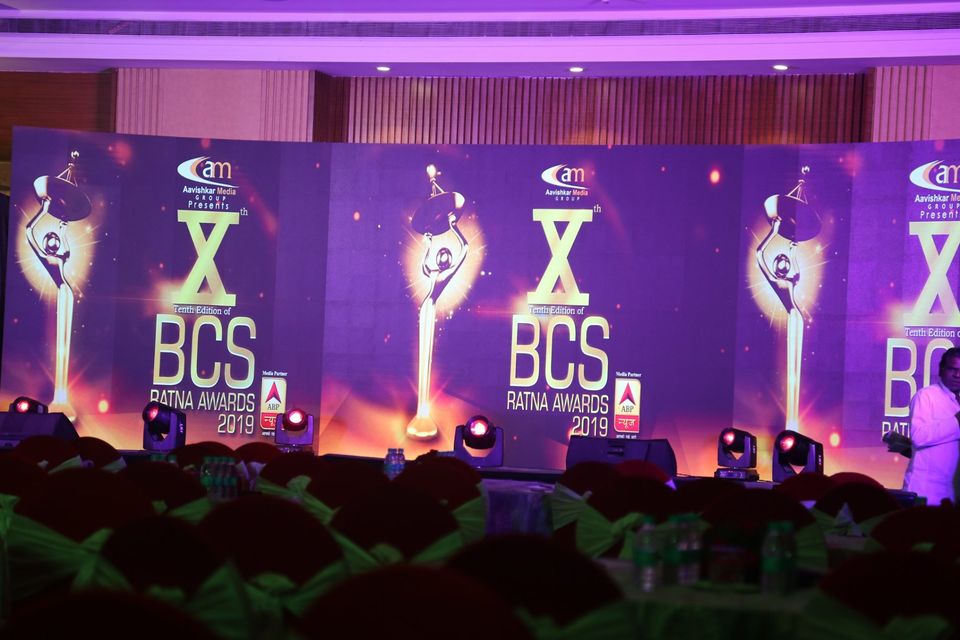
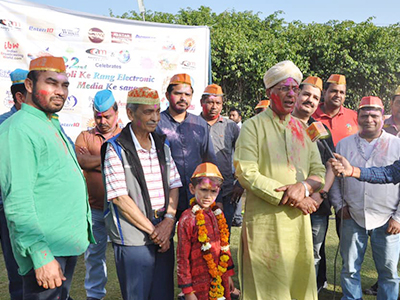
 Sudhir Chaudhary wins two big Honours at XIIᵗʰ BCS Ratna Award 2026
  12th BCS Ratna Award: JioStar’s Aravamudhan is Lifetime Achievement honouree
  XIIth BCS Ratna Award : JioStar CEO Entertainment Kevin Vaz honoured
  XIIth BCS Ratna Award 2026: Media achievers honoured
  12th BCS Ratna Award a roaring success; honours excellence in M&E
  Twelfth BCS Ratna Award boasts stellar lineup; to be held on Aug 5
  Zee shareholders approve reappointment of 5 directors
  Dr Anil Singh joins Top Story as Editor
  BGMI 4.6 update adds ‘Midnight Hunters’ mode, new Kiaraa character
  Rohit Sharma’s ‘Family Full House’ onboards major brands as sponsors
  Govt. notifies changes in film guidelines to combat drug abuse




Almost half of employees across the United Kingdom’s broadcasting sector are now based outside of London, according to Ofcom’s latest study on the make-up of the TV and radio industry.
The British communications regulator Ofcom’s eighth annual equity, diversity and inclusion in broadcasting report shows that 48 percent of roles in broadcasting are now based outside the capital in the Nations and Regions — up from 46 percent in 2023. The proportion is slightly higher in TV (49 percent) than in radio (46 percent).
But, the report, according to an Ofcom statement yesterday, also paints a mixed picture, revealing particular areas where progress towards a more representative workforce has stalled.
There are underrepresentation at senior levels, the study revealed. Certain groups persistently underrepresented, particularly in senior, decision-making and editorial roles.
While women remain well represented across the industry overall (50 percent), despite a slight uplift in promotions, they’re still under-represented at a senior level (43 percent). This is particularly true for radio (excluding the BBC), with women only accounting for a third (33 percent) of those in senior management roles, and only 36 percent in commissioning or programming positions.
Similarly, people from minority ethnic groups only account for 11 percent of those in senior roles across the industry, while there is continued underrepresentation of disabled people across all job levels (11 percent) and even more so at a senior level (9 percent).
Ofcom said that available data also suggests continued underrepresentation of working-class people across the industry — 27 percent against a working population benchmark of 39 percent. There are also persistent data gaps in this area given we still only have information on the socio-economic background of 50 percent of the industry’s workforce.
“We expect more broadcasters to prioritise collecting this data in time for next year’s report,” the regulator stated.
There is evidence of a ‘revolving door’ where employee retention rates remain lower than average among some underrepresented groups.For example, although a greater proportion of those joining the broadcasting industry are from a minority ethnic group (26 percent), they also make up a higher proportion of those leaving their jobs (23 percent).
A diverse and representative workforce is vital for a sustainable broadcasting industry. Our research shows that viewers and listeners value trusted, accurate and authentic programmes that speak to diverse audiences, from a range of backgrounds across the UK.