 On vulgar song, CBFC clarifies digital content not certified by it
  Sanjay Dutt, Norah Fatehi song in the eye of obscenity storm
  ‘Punha Ekda…’ to stream on Ultra Jhakaas from Mar 19
 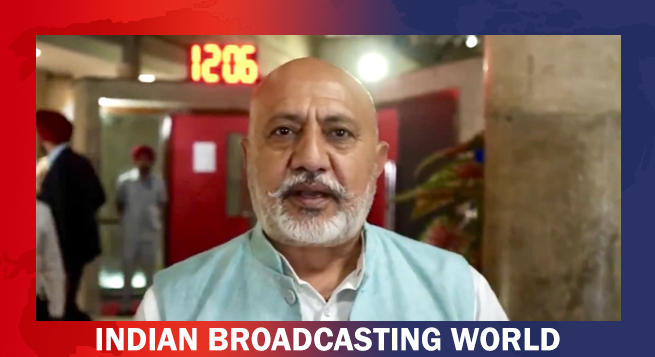 Punjab unveils film promotion policy offering major subsidies
  Prasar Bharati holds copyright over content, govt clarifies in Parliament
  Prime Video doubles down on India with global ambitions, diverse content push
  AIDCF moves TDSAT on WAVES OTT mulling onboarding linear TV channels
  Content India 2026 concludes with 700+ global participants
 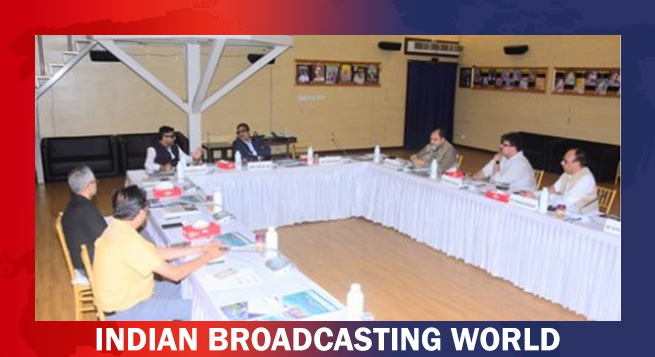 MIB Secy Jaju reviews IICT expansion plans, other initiatives
 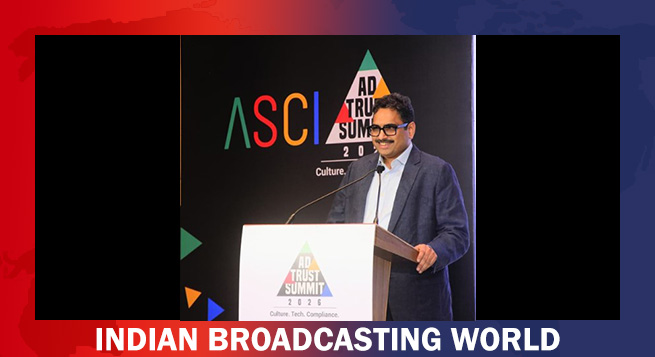 MIB Secy Jaju calls for responsible & trusted ad ecosystem




NDTV organized a groundbreaking conclave, ‘Mahakumbh ka Arthashastra’, focusing on the vast economic, social, and environmental impact of the Mahakumbh, the world’s largest confluence of pilgrimage. The event highlighted the transformative role of this cultural phenomenon in shaping local and national economies while preserving India’s rich heritage.
According to a press release, the conclave brought together an impressive array of leaders, including Asim Arun, Minister of State (Independent Charge) for Social Welfare and SC/ST Welfare, Uttar Pradesh; Mangal Prabhat Lodha, Minister of Skill Development and Entrepreneurship, Maharashtra; Neelkanth Mishra, Chief Economist, Axis Bank; Awanish Kumar Awasthi, Advisor to the Uttar Pradesh Chief Minister; filmmaker Tigmanshu Dhulia; and lyricist Manoj Muntashir.
Mangal Prabhat Lodha emphasized Prime Minister Narendra Modi’s holistic vision of integrating heritage with economic development, stating, “PM Modi envisions a balance where religion and economic growth coexist. The Mahakumbh is not just a spiritual event but a catalyst for employment and national development.”
Echoing this sentiment, Asim Arun remarked, “Kumbh is an opportunity for economic brainstorming,” highlighting its potential to fuel discussions on sustainable growth and resource allocation.
Awanish Kumar Awasthi discussed efforts to modernize the Mahakumbh through digital innovations. “The transformation into a Digital Kumbh incorporates AI and chatbots, ensuring seamless experiences for millions of pilgrims while enhancing global branding,” he noted.
Neelkanth Mishra shed light on the role of digital payments, particularly for daily wage workers involved in the event. “Digital payments ensure ease, convenience, and security, empowering even the most marginalized participants,” he explained.
Shobhit Kumar Mishra, leading the Prayagraj Project under the Clean Ganga Mission framework, highlighted environmental advancements: “326 million liters of water are being treated, and 90% of drain water has been stopped from flowing into the Ganga, marking a significant ecological achievement.”
Swami Vishal Anand of Divya Jyoti Jagrati Sanstha underscored the Mahakumbh’s influence on tourism and employment. “13,000 new trains run across the country for this 45-day program. The event sparks development that continues well beyond its conclusion,” he shared.
By integrating cultural preservation with economic progress, ‘Mahakumbh ka Arthashastra’ showcased how the Mahakumbh acts as a powerful engine for infrastructure growth, employment generation, and ecological sustainability.
Through diverse perspectives from government, industry, and cultural leaders, the conclave reinforced the Mahakumbh’s role as a bridge between India’s ancient traditions and modern aspirations, offering valuable insights into its enduring legacy.
The event concluded with a shared commitment to leveraging the Mahakumbh’s global significance as a tool for holistic development, proving once again that faith, economy, and environment can thrive in harmony.