 ‘Punha Ekda…’ to stream on Ultra Jhakaas from Mar 19
  Punjab unveils film promotion policy offering major subsidies
  Prasar Bharati holds copyright over content, govt clarifies in Parliament
  ‘One Battle…’, ‘Sinners’, Marty…’, begin Mar15 Oscars quest
  Choice International, CNBC-AWAAZ host ‘Nivesh Nirnay’ initiative in Vadodara
  WION to host World PULSE forum in New Delhi
 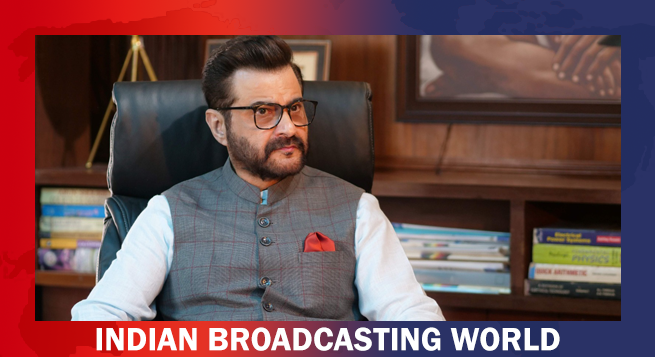 Sanjay Kapoor reflects on working with Prakash Jha in ‘Sankalp’
  Disney reshapes entertainment leadership under Dana Walden
 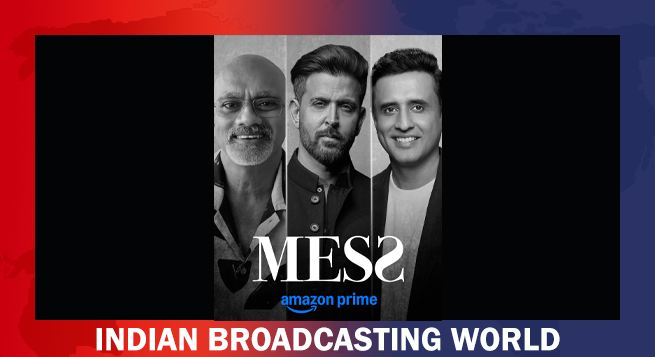 Prime Video, Hrithik Roshan team up again for comedy ‘Mess’



In a significant development in the ongoing anti-competition dispute involving digital cinema equipment suppliers, the National Company Law Appellate Tribunal (NCLAT) has declined to stay the Competition Commission of India’s (CCI) penalty order against UFO Moviez India and Qube Cinema Technologies. The companies had sought interim relief against a CCI directive that found them guilty of indulging in anti-competitive conduct.
As per a PTI report, following the tribunal’s hearing of the appeal filed by both companies. A three-member bench of NCLAT observed that the “balance of convenience” and a “prima facie” case favoured the competition watchdog. Refusing to grant a stay, the tribunal added that the Director General’s investigation report and the CCI’s findings were in sync, showing no immediate grounds for interference.
“After considering the facts and circumstances, we are of the considered opinion that the facts do not warrant the grant of stay of the impugned order,” the NCLAT noted in its ruling.
The case stems from an order dated April 16, when CCI imposed penalties of Rs.1.04 crore on UFO Moviez India and its subsidiary Scrabble Digital, and ₹1.66 crore on Qube Cinema Technologies. The issue revolves around alleged restrictive clauses in their lease agreements with theatre owners, which reportedly created hurdles for other post-production service providers.
Challenging the penalties, the companies approached NCLAT, which has now ordered them to deposit 25 per cent of the penalty amount within two weeks. “We have already passed an order of deposit of 25 per cent of the penalty amount vide a separate order. Be deposited within two weeks,” the bench directed, while also setting timelines for filing replies and rejoinders. The matter is now posted for hearing on August 1.
According to CCI, the two companies — holding a market share of 34 per cent (UFO) and 47 per cent (Qube) respectively in digital cinema equipment (DCE) leased to Cinema Theatre Owners (CTOs) — imposed restrictions on the supply of film content and post-production processes. The clauses in their agreements not only mandated payment of ₹20,000 by CTOs for playing third-party content but also made it nearly impossible for CTOs to seek services from alternate providers.
The tribunal also took note of the technological lock-ins that hindered the use of Key Delivery Messages (KDMs) from other service providers on the leased DCEs. This effectively blocked CTOs from freely accessing or distributing content, amounting to a violation under Section 3(4)(d) of the Competition Act, 2002, which deals with “refusal to deal”.
“This clause does not give any choice to the CTOs to procure content from a third party. Moreover, KDM generated by other PPP service providers could not be played on the DCE supplied by the appellant owing to restrictions imposed on the server,” the tribunal stated. It also remarked that such practices are not seen internationally, pointing towards the lack of global precedent in such restrictive behaviour.
The tribunal further highlighted that clauses in the lease agreements forced CTOs to avoid working with film producers who had not used Scrabble Digital’s post-production services, thereby violating competitive norms.
As the industry awaits the tribunal’s final decision, the case has put a spotlight on restrictive leasing practices in India’s digital film distribution market.