 NCW summons Nora, Sanjay Dutt, Badshah over obscene songs
  On vulgar song, CBFC clarifies digital content not certified by it
  Sanjay Dutt, Norah Fatehi song in the eye of obscenity storm
  ‘Punha Ekda…’ to stream on Ultra Jhakaas from Mar 19
  Transport sector triples to Rs.23 lakh cr, says Gadkari
 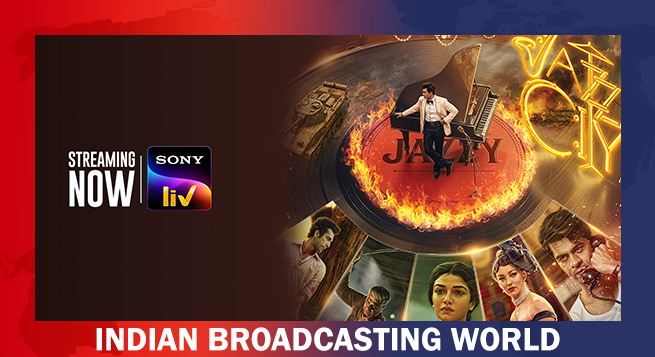 Studio9 debuts on OTT with Bengali thriller ‘Jazz City’
 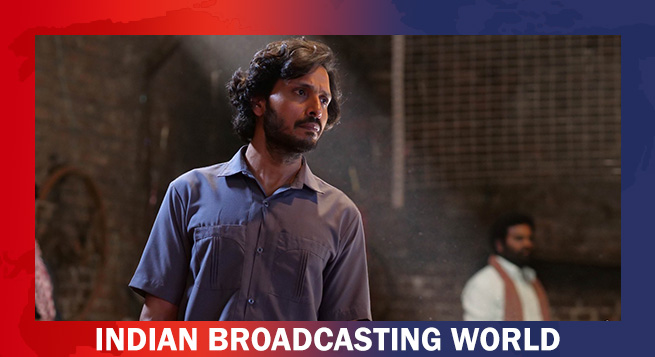 Kranti Prakash Jha says ‘fortunate’ to work with Nana Patekar in ‘Sankalp’
  Amagi unveils AI artwork engine to streamline streaming workflows
  Convergence India Expo 2026 to spotlight AI, 6G and smart city innovation



The Ministry of Information and Broadcasting has proposed a five-year registration for local cable operators (LCOs) instead of one year as the present norm is. But it has also hinted at raising the registration fee from Rs. 500 annually.
The government is also looking to streamline the functioning of the LCO community by assigning a unique ID to each LCO that registers with it as part of creating a National Register of cable ops and which will allow it pan-India access.
At present, a LCO can register itself with the local post office by paying an annual fee of Rs. 500.
These and other issues were discussed yesterday at a stakeholders meet of MSOs and LCOs that MIB had organised in New Delhi.
Chaired by MIB joint secretary Sanjiv Shankar and attended by his colleagues and officials from the Department of Telecoms, the meeting discussed various matters, including whether the total number of LCOs in the country is approximately 85,000 (as per data available with regulator TRAI) or over 300,000 (as claimed by the industry).
On the proposed fee for a five-year registration process, according to some people who attended the meeting, the government initially proposed Rs. 10,000, saying that TRAI a few years back had recommended raising the registration fee.
However, there was a push back from the LCOs on raising of the fee with some suggesting that all fees should be waived as the LCOs are financially stretched anyway.
While some 40,000 LCO have already registered themselves with the MIB, officials said a new portal for such activities will be commissioned by August. At present, Broadcast Seva portal, which caters to such industry-related matters, has seen humongous traffic in recent time owing to another rule related to ads, resulting in it crashing at least once.
While TRAI and experts have stressed that cable networks should be utilised to increase broadband penetration in rural areas, no major push had been given in this direction till now.
At yesterday’s meeting DoT officials expressed their hope LCOs and MSOs would assist them in tapping broadband-virgin areas, apart from places where broadband is sparsely available, and proposed incentives for the industry, including helping people become virtual network operators or VNOs.
VNOs are entities who operate in a unique space, providing telecommunication services without the need to own the underlying network infrastructure. The government backed multi-million dollar BharatNet rural telecom project can be helpful in this.
The MIB is yet to take a final call on issues discussed in the meeting.
The MIB meeting was attended, by AIDCF secretary-general Manoj Changnani and AIADAS’s President & Aavishkar Group’s founder, Dr. A.K. Rastogi, Yatin Gupta- GTPL, Narendra Bagdi – ALCOA, and amongst other operators and associations from Maharashtra, Kolkata, Uttar Pradesh.