 Govt says acted on 144 TV programme, ad code breach in 5 years
 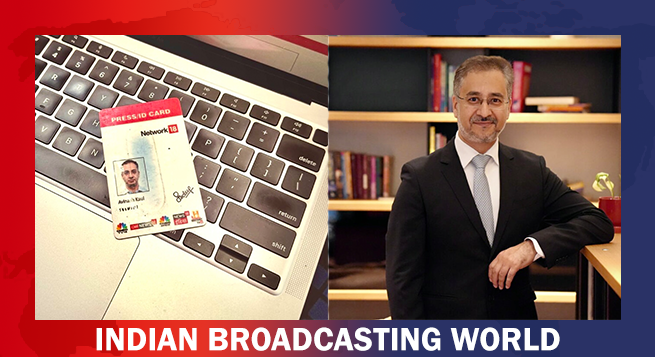 Avi Kaul bids adieu to Network18 by penning an emotional note
 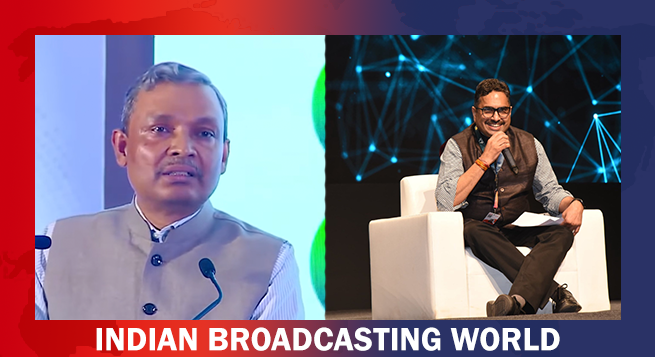 DONER Secy Chanchal Kumar swaps places with MIB’s Jaju
  JioStar terminates IPL broadcast distribution deal in Bangladesh
  SPNI to air star-studded Chetak SCREEN Awards 2026 LIVE on April 5
  Raj Kundra’s ‘The Great Punjab Robbery’ set for Aug 7 release
 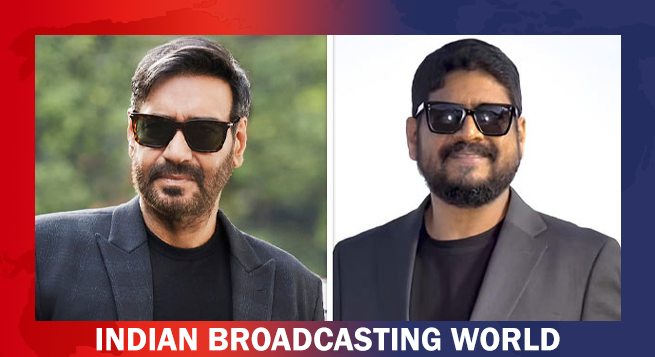 Ajay Devgn, Om Raut eye new Maratha warrior film
 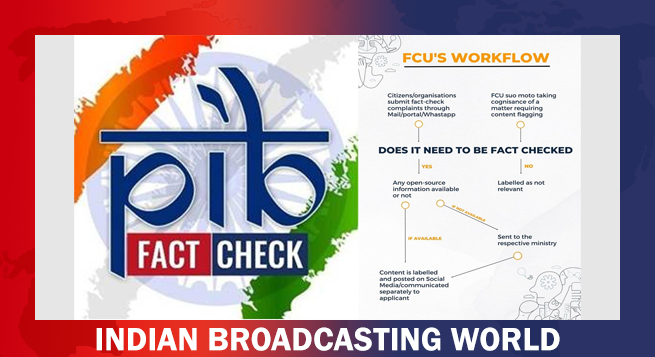 PIB fact-check unit crosses 2,900 verifications to curb misinformation
  Ranbir Kapoor’s ‘Ramayana’ look unveiled after 7 years in making
  Truecaller opens Business Chat to global partners


Google has grave reservations about developing a self-regulatory body for the social media sector in India to hear user complaints, though the proposal has support from Facebook and Twitter, sources with knowledge of the discussions told Reuters.
India in June proposed appointing a government panel to hear complaints from users about content moderation decisions, but has also said it is open to the idea of a self-regulatory body if the industry is willing.
The lack of consensus among the tech giants, however, increases the likelihood of a government panel being formed— a prospect that Meta Platforms Inc’s Facebook and Twitter are keen to avoid as they fear government and regulatory overreach in India, the sources said, according to a Reuters report from New Delhi on Thursday.
At a closed-door meeting this week, an executive from Google told other attendees the company was unconvinced about the merits of a self-regulatory body. The body would mean external reviews of decisions that could force Google to reinstate content, even if it violated Google’s internal policies, the executive was quoted as saying.
Such directives from a self-regulatory body could set a dangerous precedent, the sources also quoted the Google executive as saying.The sources declined to be identified as the discussions were private.
In addition to Facebook, Twitter and Google, representatives from Snap Inc. and popular Indian social media platform ShareChat also attended the meeting. Together, the companies have hundreds of millions of users in India.
Snap and ShareChat also voiced concern about a self-regulatory system, saying the matter requires much more consultation, including with civil society, the sources said.
Google said in a statement it had attended a preliminary meeting and is engaging with the industry and the government, adding that it was “exploring all options” for a “best possible solution.”
ShareChat and Facebook declined to comment. The other companies did not respond to Reuters requests for comment.
Self-regulatory bodies to police content in the social media sector are rare, though there have been instances of cooperation. In New Zealand, big tech companies have signed a code of practice aimed at reducing harmful content online.
Tension over social media content decisions has been a particularly thorny issue in India. Social media companies often receive takedown requests from the government or remove content proactively. Google’s YouTube, for example, removed 1.2 million videos in the first quarter of this year that were in violation of its guidelines, the highest in any country in the world.
US industry lobby groups representing the tech giants believe a government-appointed review panel raises concern about how it could act independently if New Delhi controls who sits on it.