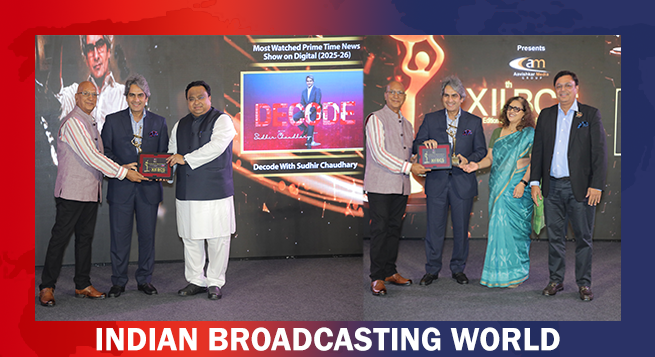
 Sudhir Chaudhary wins two big Honours at XIIᵗʰ BCS Ratna Award 2026
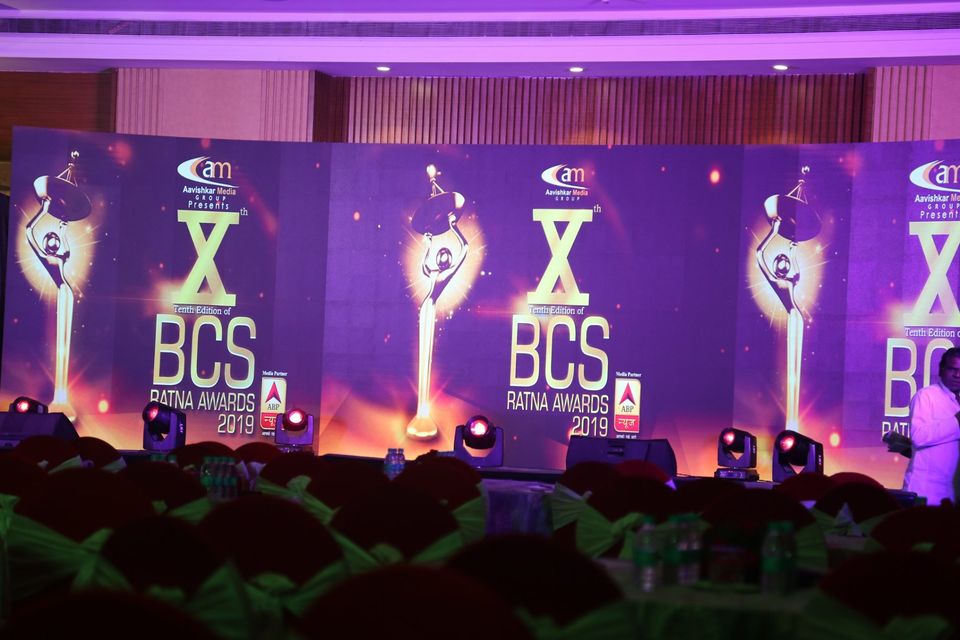
 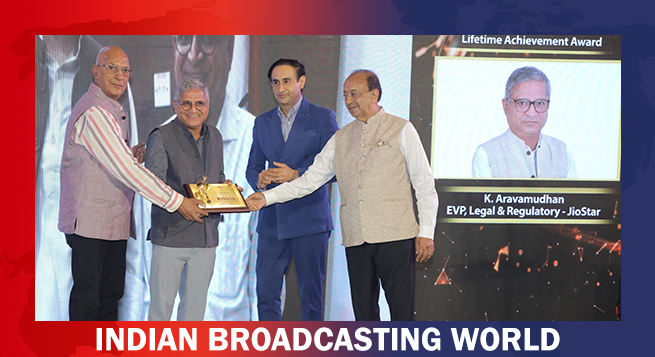 12th BCS Ratna Award: JioStar’s Aravamudhan is Lifetime Achievement honouree
  XIIth BCS Ratna Award : JioStar CEO Entertainment Kevin Vaz honoured
 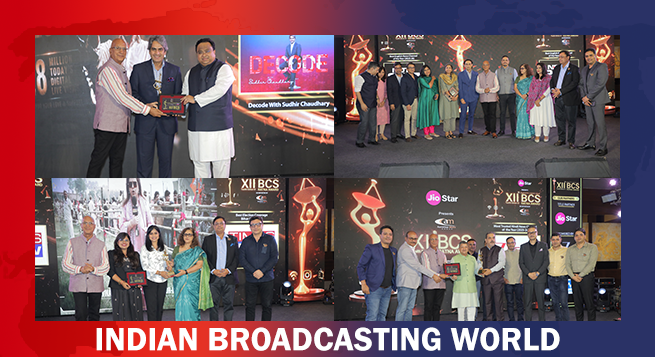 XIIth BCS Ratna Award 2026: Media achievers honoured
 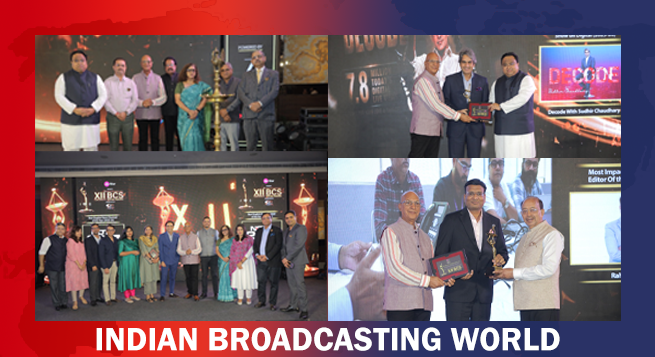 12th BCS Ratna Award a roaring success; honours excellence in M&E
  Twelfth BCS Ratna Award boasts stellar lineup; to be held on Aug 5
  Govt. notifies changes in film guidelines to combat drug abuse
  Senior journalist Sneha Mordani joins NDTV as Health Editor
  News18 India hosts today ‘Jazba’ to celebrate Indian sport
  Himanshi celebrates Ganesh Chaturthi on ‘Indian Game Show’
 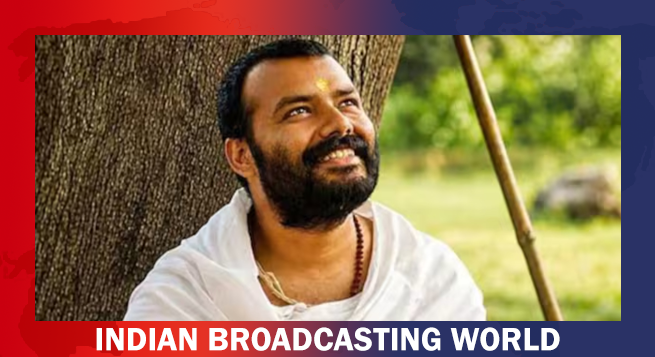 ‘Hanuman Ansh’ crosses Rs 300 crore worldwide




Union Education Minister Dharmendra Pradhan addressed key reforms in India’s education system at the ABP Network’s Smart Education Summit 2025, underlining the government’s commitment to building a future-ready nation by 2047 through foundational changes in teaching, learning, and evaluation.
Speaking as Chief Guest at the national capital event, Pradhan clarified the government’s recent move to conduct board examinations twice a year. “Boards examination will happen twice to destress students. Students themselves have expressed the need for this, so that the better score out of the two attempts can be considered,” he said. He also added that mental development in children happens early, and therefore more attention is being paid to early childhood care and education in collaboration with the Union Health Ministry.
In what was a wide-ranging and frank address, Pradhan responded to the allegation that Mughal history was being erased from school textbooks. “We are adding many other facets and people from Indian history who were omitted by the previous Governments. Hence, space taken by Mughal dynasty has reduced,” he said.
This statement was made during a session reported by channel, which highlighted various announcements made by the minister, including an ambitious plan to bring 15 foreign universities to India. “In the coming years, 15 foreign Universities will establish their branches in India. We are also sending our institutions abroad,” Pradhan confirmed.
Addressing linguistic diversity, the Minister clarified the Centre’s stance on the three-language formula, noting, “It is not debated in any other state except Tamil Nadu. Our policy is clear, we will not impose any language from a different state on the citizens of a particular state.” He added that Tamil Nadu schools already teach three languages, and many residents voluntarily invest in learning Hindi.
Emphasizing the need for tech-driven, competency-based education, Pradhan remarked, “Competencies matter more than degrees. Education should not be about degrees but should increase competencies.” He outlined how India’s educational model is shifting to an outcome-oriented system supported by technology and tailored learning experiences.
Pradhan also shed light on the new ‘Apaar ID’, which he described as an academic byproduct of Aadhaar. “It records all credits earned by students under the National Education Policy through a digital Academic Bank of Credit,” he explained.
On challenges still facing the system, Pradhan acknowledged the dropout rate of 40 percent from entry-level to senior classes as one of the biggest hurdles. He also stressed the need to improve India’s gross enrollment ratio (GER) in higher education, currently at 28 percent, to 50 percent by 2035.
In a broader reflection on India’s historical position in global education, he said, “India once contributed 25-30% of global GDP. The education sector was derailed due to colonization. As we pursue Viksit Bharat @ 2047, we must build a robust education system to reclaim our rightful place.”
The summit brought together institutional leaders, academics, and policymakers to explore the intersection of education, technology, and innovation. Curated sessions and panel discussions reflected on how India’s academic institutions can adapt to rapid digital transformation and global industry demands.