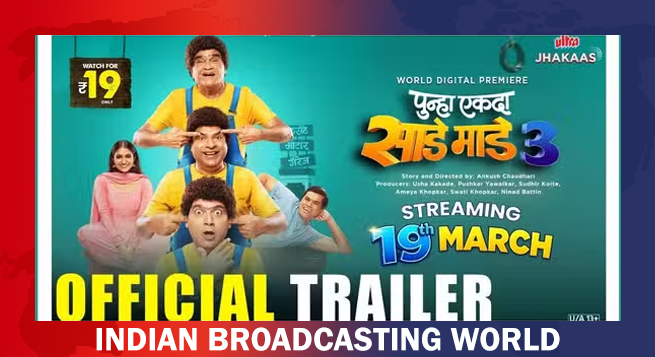
 ‘Punha Ekda…’ to stream on Ultra Jhakaas from Mar 19
 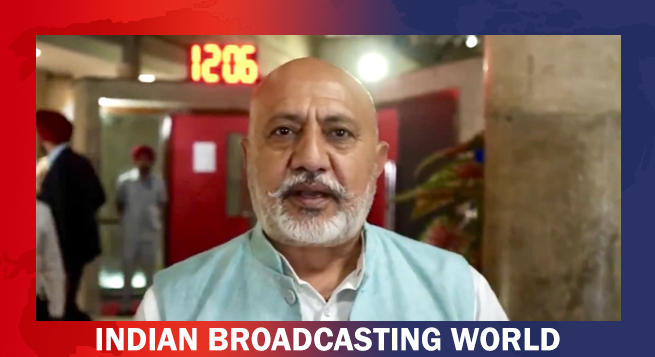 Punjab unveils film promotion policy offering major subsidies
  Prasar Bharati holds copyright over content, govt clarifies in Parliament
 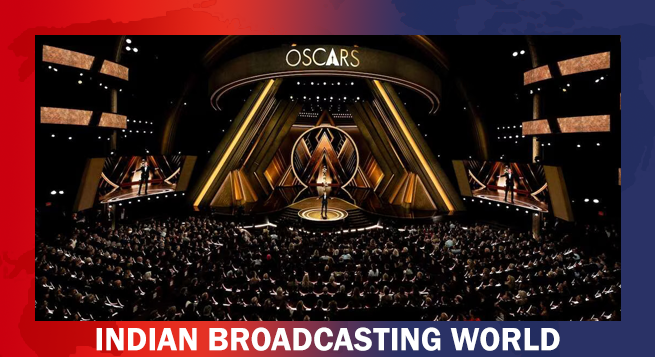 ‘One Battle…’, ‘Sinners’, Marty…’, begin Mar15 Oscars quest
 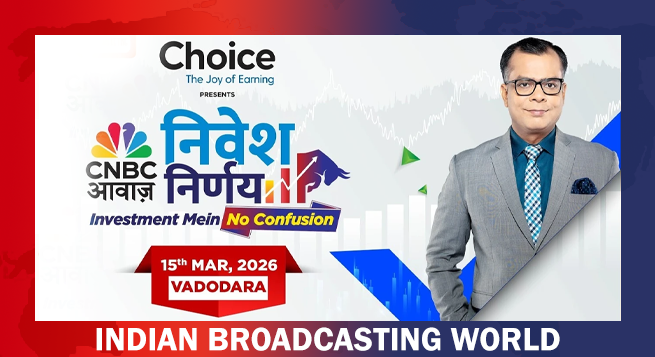 Choice International, CNBC-AWAAZ host ‘Nivesh Nirnay’ initiative in Vadodara
 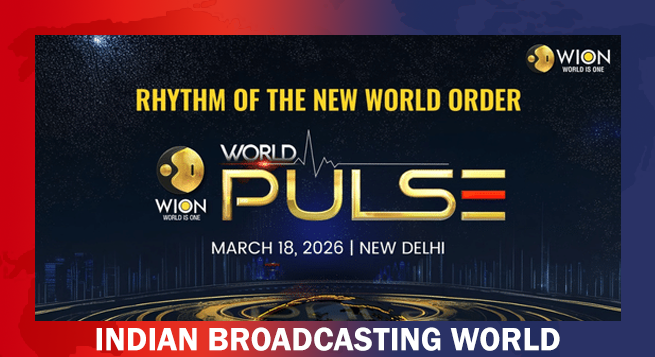 WION to host World PULSE forum in New Delhi
 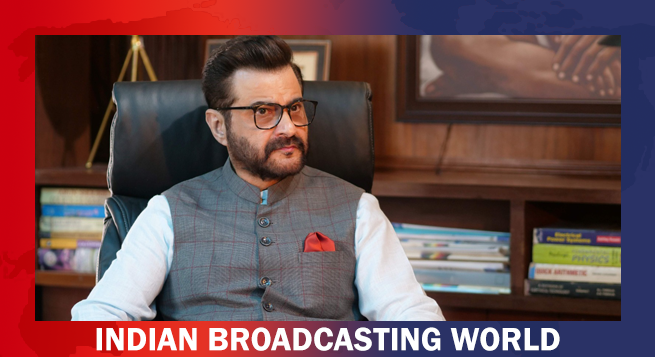 Sanjay Kapoor reflects on working with Prakash Jha in ‘Sankalp’
 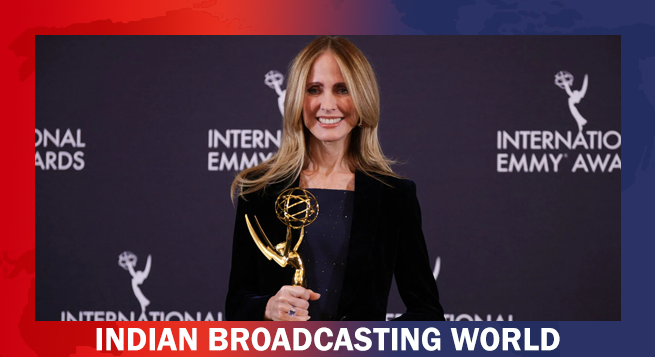 Disney reshapes entertainment leadership under Dana Walden
 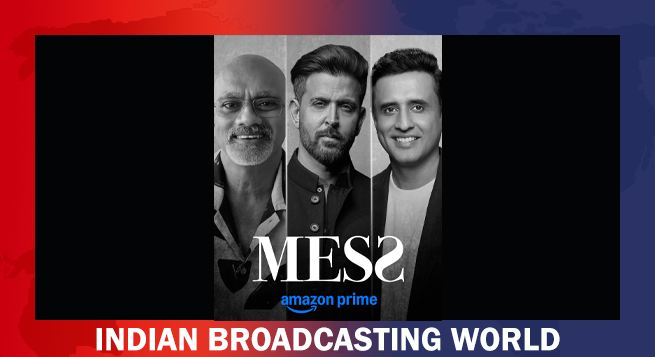 Prime Video, Hrithik Roshan team up again for comedy ‘Mess’



The AIDCF, an industry body representing MSOs, has urged the broadcast and telecom regulator TRAI to bring the services of Doordarshan FreeDish under its regulations that govern other service providers and distribution platform operators (DPOs).
DD Freedish, a DTH platform owned and operated by public broadcaster Prasar Bharati, offers its service free to consumers who just need to make a one-time small investment in acquiring a dish antennae and set-top-box to access TV channels across various genres like entertainment, news and wellness.
As the service is popular in rural and semi-urban areas — an industry estimate puts the FreeDish subscriber base in the region of 40-45 million — it offers TV channels on the platform a huge number of eyeballs that get translated into substantial advertising revenue.
“The FreeDish platform is a service provider, which has been established by the disputes tribunal TDSAT in the Total TV case. While all the DPOs are heavily regulated by the NTO framework of TRAI, FreeDish is neither regulated, nor is following any quality of service regulation.
“And, at the top of it, all the pay TV channels, which are available at a cost to cable TV subscribers are available free (to consumers) on the FreeDish platform,” the All India Digital Cable Federation (AIDCF) president and MSO company Fastway CEO Peeush Mahajan told Indianbroadcastingworld.com yesterday, highlighting the regulatory disparity.
Mahajan, while highlighting the negative economic impact of uneven rules on cable TV industry, added: “This regulatory disparity is already making the cable TV industry bleed, where the annual subscriber churn rate is 25 percent, and eventually this will annihilate the cable TV industry.
“We are of the opinion that FreeDish should also be governed under TRAI regulations as all the other DPOs are.”
Cable TV distribution industry observers opined that what Mahajan stated makes sense as disparity in regulations could impact the livelihoods of those employed — about 150,000 LCOs and approximately 10 lakh workers — in the sector.
Meanwhile, AIDCF and Ahmedabad-headquartered GTPL Hathway moved the Telecom Disputes Settlement and Appellate Tribunal (TDSAT) in July contending that DD FreeDish services should also be regulated under various TRAI guidelines that are applicable on other DPOs.
The respondents in the TDSAT case, which is coming up for a hearing mid-October, include Prasar Bharati, the Telecom Regulatory Authority of India (TRAI) and several big broadcasters.
Briefly, the petitioners are seeking directions from the TDSAT for the respondents, amongst other things, to comply with the Telecommunication (Broadcasting and Cable) Services Standards of Quality of Service and Consumer Protection (Addressable Systems) Regulations, 2017 (Quality of Service Regulations) applicable to broadcasting services in India and, in particular, that national broadcaster Prasar Bharati provides encrypted FreeDish signals in terms of the regulations.
The petition also pleads TDSAT to set aside any term or condition of FreeDish service that is contrary to the Interconnect Regulations and Telecommunication (Broadcasting and Cable) Services Standards of Quality of Service and Consumer Protection (Addressable Systems) Regulations, 2017.