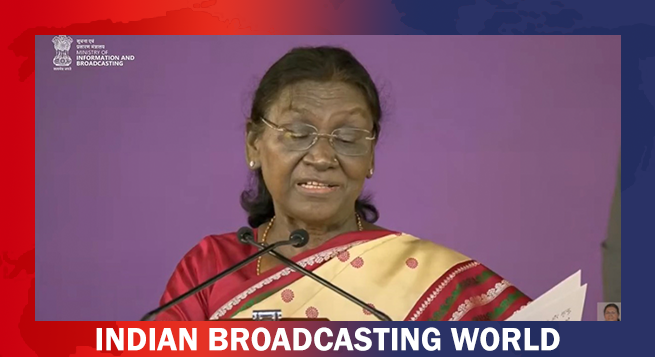
 President Murmu exhorts celebs to not endorse ‘harmful products’
  Satellite company SES, JioStar sign multi-year distribution deal
  Govt. clarifies CBFC certification changes, says 1991 core framework unchanged
  Subhash Chandra moves NCLAT over Sept 1 asset order
  Parineeti Chopra makes web series debut with Netflix’s ‘Shaque’
  Prime Video’s ‘Waiting Hai’: Harshita Gaur talks about Divyenndu
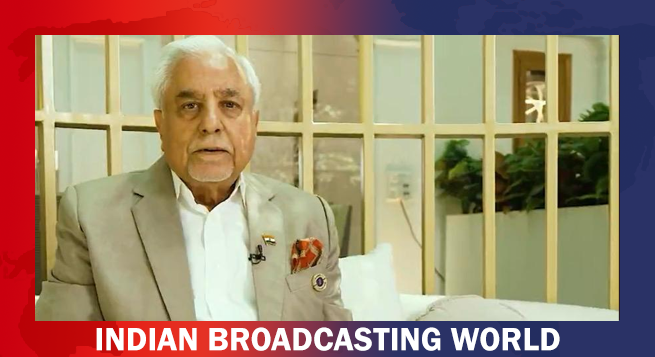
 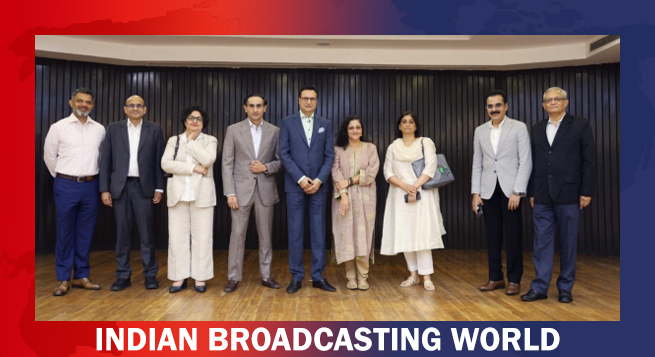 Rajat Sharma re-elected NBDA President for 2026-27
 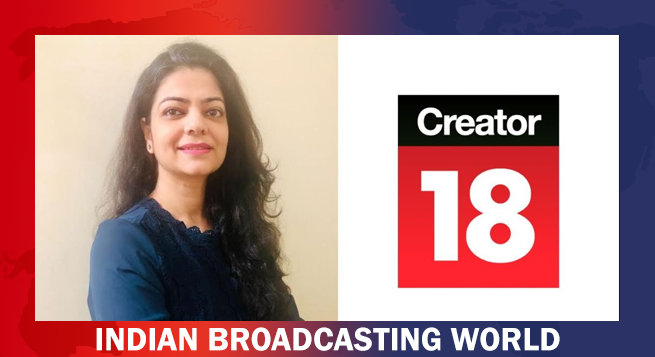 Creator18 appoints Heena Lulla as Business Head



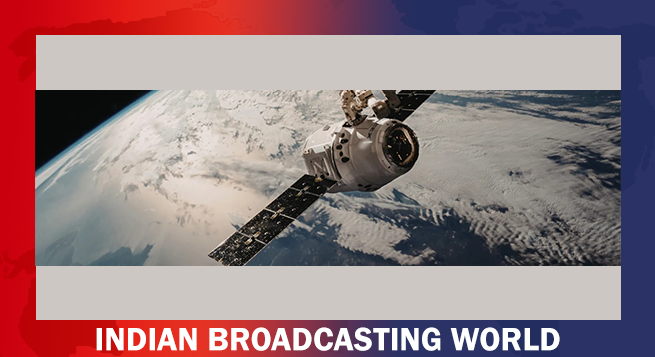
With the British communications regulator Ofcom yesterday announcing its final decision about how the technology can be rolled out, the scramble has begun for commercial tie-ups between satellite companies and terrestrial mobile operators to make standard smartphones receive signals from space.
In short, Ofcom has enabled satellite calls, texts and data to help eliminate mobile blackspots, thus making the United Kingdom the first country in Western Europe where mobile operators team up with satellite companies to deploy new space-age services.
“D2D (direct-to-device) services can provide connectivity to mass market mobile devices in areas not covered by the terrestrial mobile networks. They have the potential to increase outdoor geographic coverage, particularly in remote areas, and provide a basic backup service in the event of outages on the terrestrial networks,” Ofcom said.
This involves satellites hundreds of miles above earth beaming down signals to smartphones, so they can make calls, send texts and use data in ‘not-spots’ where there’s no mobile coverage. Until now, this has only been possible with specialist kit, typically used by organisations like the navy and mountain rescue teams.
The technology, which will benefit rural and hard-to-reach communities with patchy coverage or areas suffering outages, has only been rolled out widely in one other European country so far, Ukraine, where it offers extra coverage and resilience, including as a backup amidst wartime damage to its mobile networks.
Ofcom has decided to allow mobile companies and satellite operators to join forces and use airwaves known as mobile spectrum, subject to certain technical conditions.
Ofcom said that any mobile network operator that intends to provide direct-to-device services will need to request a change to its Ofcom licence. As this technology will utilise frequencies that are already used by the mobile sector, there are rules that companies will need to follow to avoid interference, which have been also finalised. These include protections to avoid disruption to air traffic control stations and mobile networks in neighbouring countries.
David Willis, Ofcom’s Group Director for Spectrum, said: “With satellite technology, in future you could send selfies from Scafell Pike, livestream from Lake Windermere, or browse bargains from Ben Nevis. Mobile operators are already pressing ahead to make the UK the first nation in Western Europe to have widespread access to this technology, which will see remote and rural areas be better connected than ever before, unlocking opportunities for communities, businesses and economic growth.”