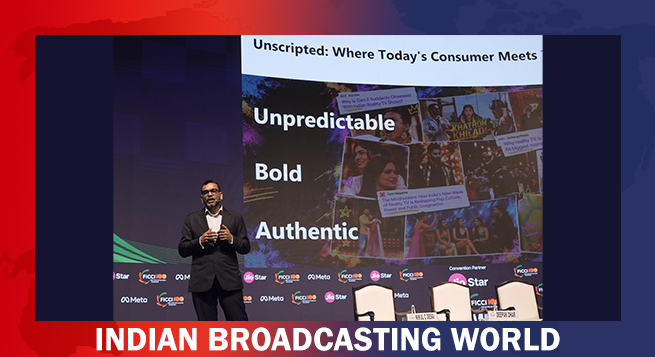
 Ficci FRAMES session discusses what makes reality TV tick
 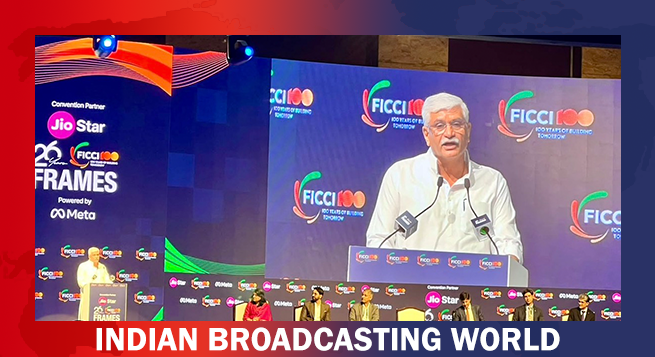 Shekhawat: India must shift from content consumer to global creator
 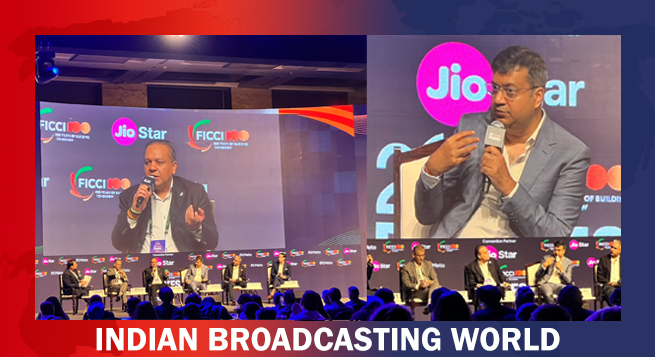 Puneet Goenka, Gaurav Banerjee, Rahul Kanwal share views on TV ratings
 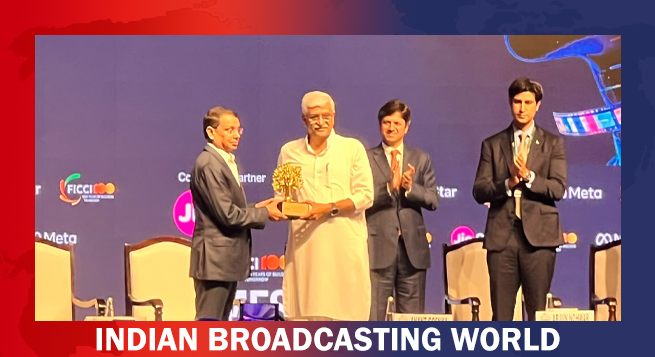 Uday Shankar urges Indian M&E sector to help nation’s global narrative
 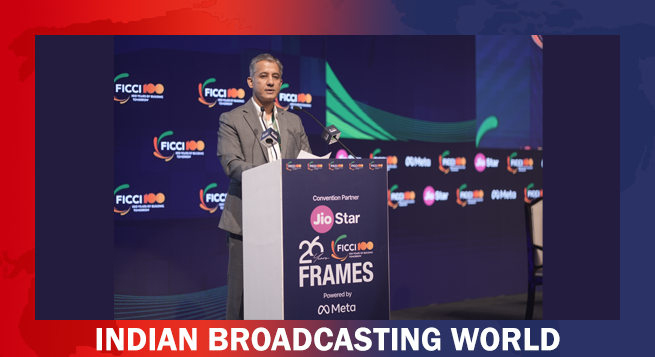 At FICCI FRAMES ‘26, Vaz bats for more innovation, regulatory flexibility
  India b’band base at 1.1bn in August, telecom subs cross 1.36bn
 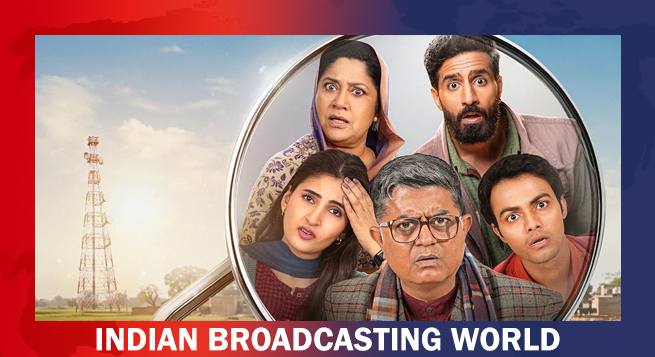 Prime Video’s ‘Dupahiya’ S2: 5 reasons to watch
 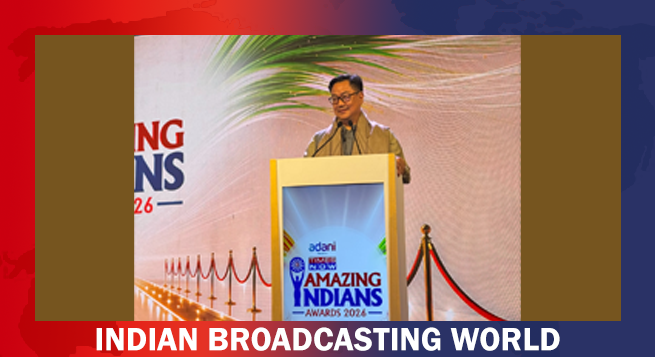 Kiren Rijiju highlights India’s growth at Times Now Awards 2026
  ‘The Man with the Bag’ to premiere on Prime Video Dec 2
 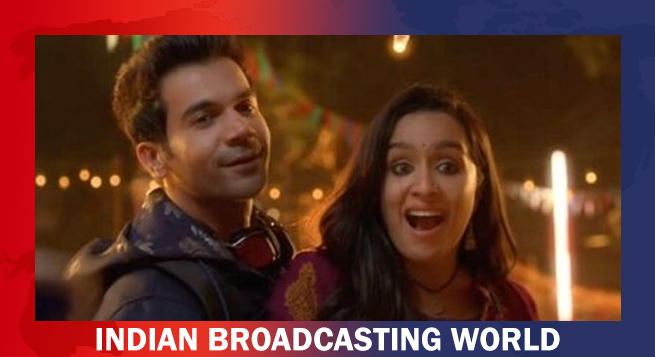 ‘Stree 3’ set for 2028 release in theatres
  Instagram’s Edits adds an AI Assistant for creator analytics




At the 56th International Film Festival of India (IFFI), veteran editor Sreekar Prasad led a session titled ‘From Mind to Screen: Vision to Execution – An Editing Workshop’, that drew the audience into cinema’s quietest yet most decisive space — the editing table, where scenes find balance and stories settle into form.
With a filmography shaped across 650 titles and 18 languages, Prasad’s presence carries the quiet wisdom of someone who has shaped stories across time, cultures and countless edit rooms.
The session, moderated by Saikat S Ray, offered a grounded understanding of the choices that carry a story from its first assembly to its final cut, according to an official gist of the session put out by the organisers.
Speaking about his four-decade journey, Prasad began by challenging the common understanding of editing as merely a technical exercise. Editing, he said, is rooted in emotion, and every cut must guide what the audience feels. While discussing the overwhelming volumes of footage an editor begins with, he stressed that the true test is to shape it in a way that lets the story move with intention and clarity, because the story is what holds a film together.
He, according to the official statement, emphasised that the best place for an editor to begin is at the script level— an involvement that shapes the entire filmmaking process. Though editing felt mechanical to him in the early years, working with different directors opened up new perspectives as no two days, he said, were ever the same. This constant shift in content and creativity slowly transforms an editor into a filmmaker, someone who knows when to withhold information, when to reveal it, and how to maintain narrative tension.
In a segment that drew keen interest, he spoke about the widely used belief that a film is “made on the editing table.” He described the evolving stages of assembling a film, that is from crafting individual sequences to navigating transitions and finally shaping the full-length narrative.
Through clips from 1998 film ‘The Terrorist’, he demonstrated how silence itself became a tool of storytelling, a discovery that later shaped films like ‘Vanaprastham’. Every scene, he explained, must flow so seamlessly that the audience never notices the cuts.
On parallel narratives and multi-character arcs, he underscored the importance of emotional balance, reminding that audiences should never lose sight of the main story. He explained that an editor often has to protect a performance, not by showcasing it, but sometimes by carefully covering bad performances. When a character drifts away from truthful behaviour or slips into a star-like presence, he said, the editor must gently correct it, shaping the scene in a way that keeps the character’s integrity intact.
Touching on evolving tools, moderator Saikat steered the conversation toward AI with a light remark that the first thing such a system would probably try to do is copy Sreekar Prasad’s “style.” The room laughed, and Prasad responded with an easy smile before grounding the moment in clarity.
AI, he articulated, can certainly take over the mechanical parts of the job, but it cannot sense emotion, feel a beat, or decide a cut from instinct. Editing, for him, remains a craft shaped by intuition, something no machine can replace.