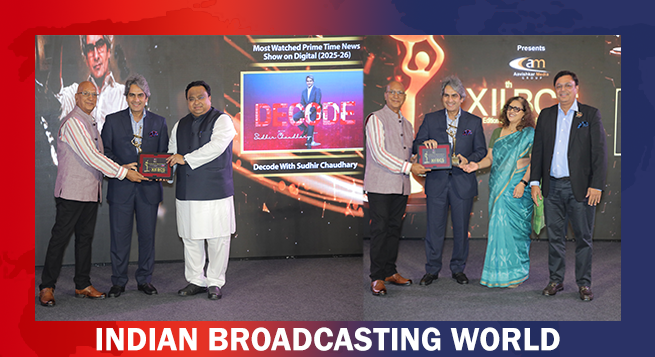
 Sudhir Chaudhary wins two big Honours at XIIᵗʰ BCS Ratna Award 2026
  12th BCS Ratna Award: JioStar’s Aravamudhan is Lifetime Achievement honouree
  XIIth BCS Ratna Award : JioStar CEO Entertainment Kevin Vaz honoured
  XIIth BCS Ratna Award 2026: Media achievers honoured
 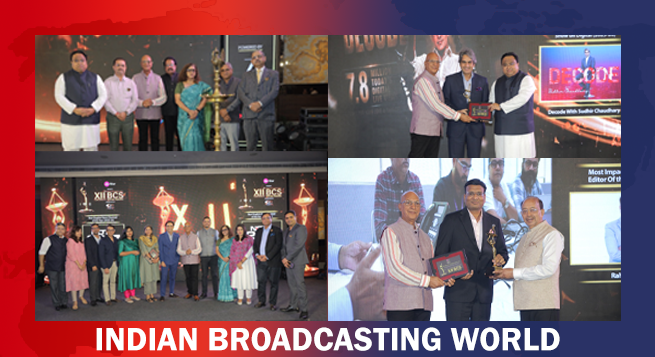 12th BCS Ratna Award a roaring success; honours excellence in M&E
  Twelfth BCS Ratna Award boasts stellar lineup; to be held on Aug 5
 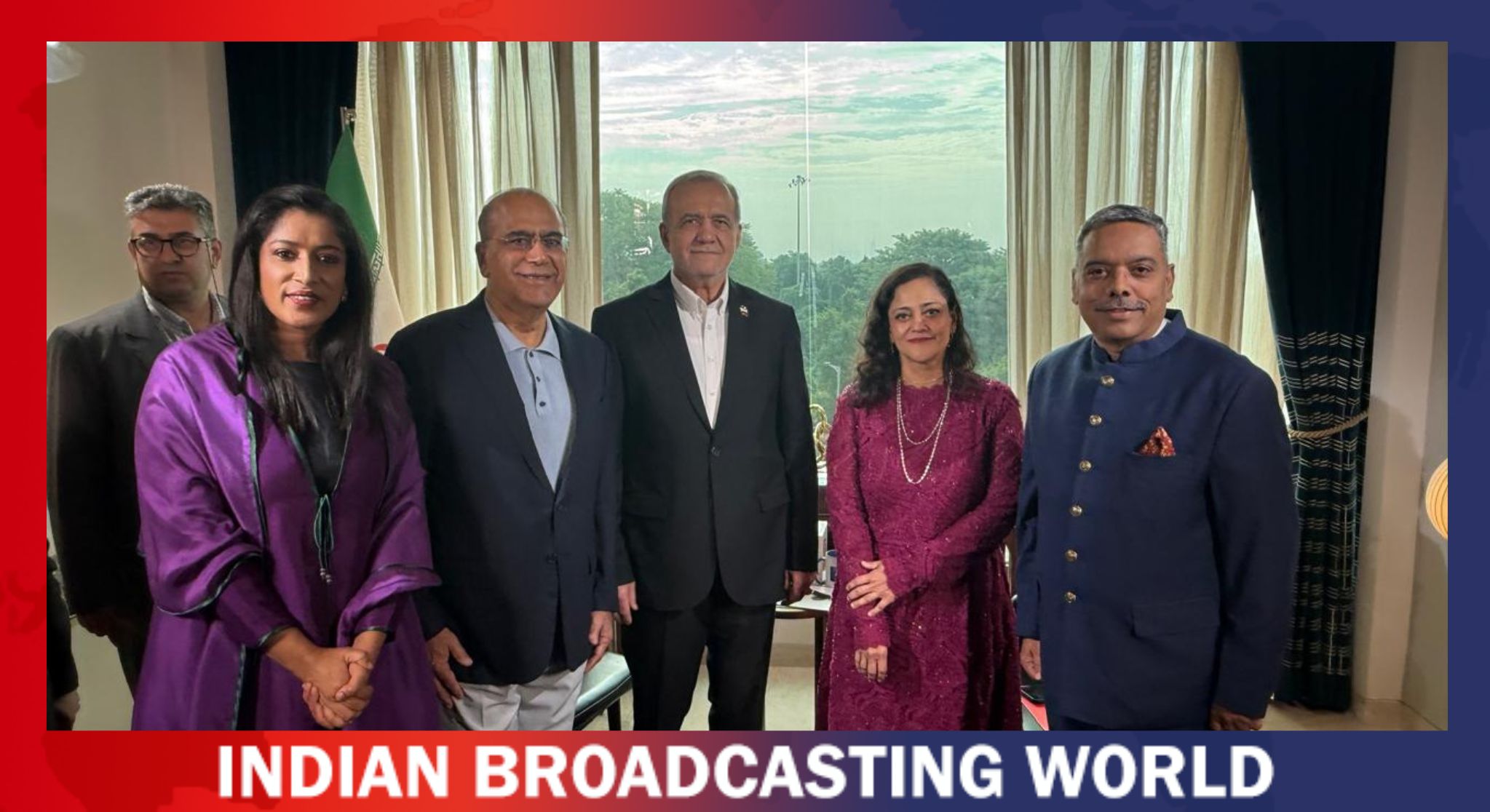 Pezeshkian gives exclusive interview to India Today
  Nilkamal Sleep joins ‘Bigg Boss Telugu’ as associate sponsor
  ‘Haiwaan’ earns Rs 4.60 crore on release day
  Netflix highlights new technology at IBC 2026
  Apple TV’s ‘Being Heumann’ opens TIFF


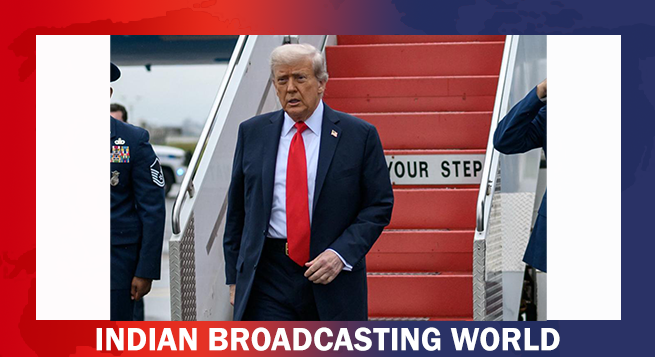
President Donald Trump said on Monday he would impose a 100 percent tariff on all films produced overseas that are then sent into the US, repeating a threat made in May that would upend Hollywood’s global business model.
The step signals Trump’s willingness to extend protectionist trade policies into cultural industries, raising uncertainty for studios that depend heavily on cross-border co-productions and international box-office revenue, a Reuters report said yesterday .
“Our movie making business has been stolen from the United States of America, by other Countries, just like stealing candy from a baby,” Trump said in a post on his Truth Social.
However, it was not immediately clear what legal authority Trump would use to impose a 100 percent tariff on foreign-made films.
The White House did not immediately respond to a Reuters request for comment on how the tariffs would be implemented.
Meanwhile, a PTI report from New York added that the decision is likely to have an adverse impact on the Indian film industry, as the US is one of the leading markets for Indian movies due to a large Indian diaspora in the country.
India produces movies in several languages, which are popular among the diverse Indian diaspora in the US.According to a 2017 Forbes report, Indian language films have become big business in many places across the United States and Canada.
Indian movies’ earnings are “commonly exceeding USD 8 million and occasionally topping USD 10 million,” the report added.
Indian filmmakers and North American distributors and exhibitors alike cater well to this audience. At any given time, over 1,000 movie screens in the territory may be dedicated to showing Indian films, the report added.
There has been a significant rise in the collections of Indian movies in the US since then, experts say.