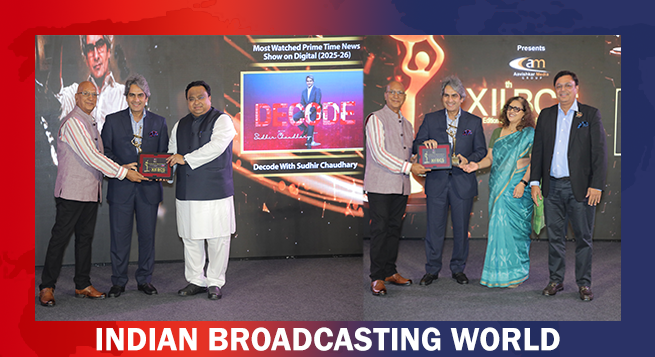
 Sudhir Chaudhary wins two big Honours at XIIᵗʰ BCS Ratna Award 2026
  12th BCS Ratna Award: JioStar’s Aravamudhan is Lifetime Achievement honouree
  XIIth BCS Ratna Award : JioStar CEO Entertainment Kevin Vaz honoured
 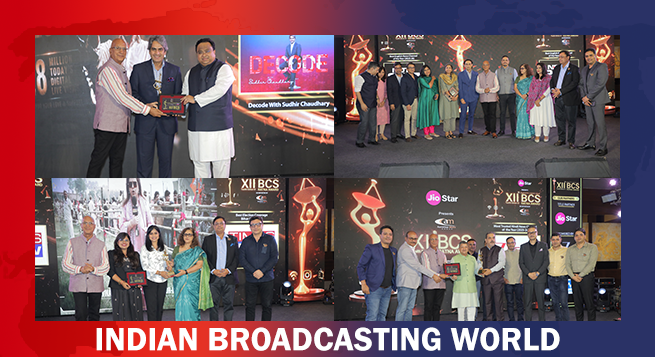 XIIth BCS Ratna Award 2026: Media achievers honoured
 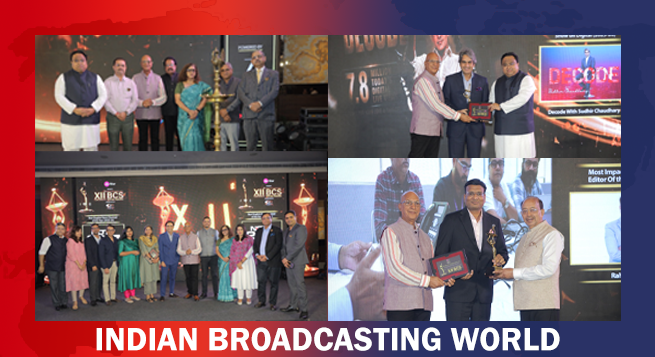 12th BCS Ratna Award a roaring success; honours excellence in M&E
 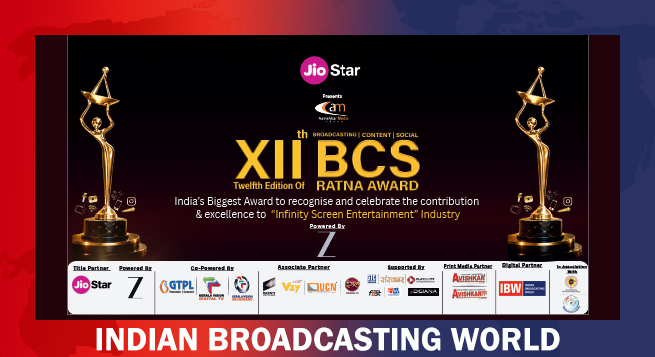 Twelfth BCS Ratna Award boasts stellar lineup; to be held on Aug 5
  Javier Bardem joins HBO’s ‘The Spread’
  ‘Family Full House’ to premiere today with Rohit Sharma
  JioStar’s ‘India Ke Top 1%’ gets seven sponsors
  ‘Golmaal 5’ release date announced
  Apple TV hosts premiere of ‘Brothers’ in LA



The Telecom Regulatory Authority of India (TRAI) yesterday issued amended interconnect regulations, paving the way for digital rights management (DRM)’s inclusion in the rules that can go a long way in countering content piracy, especially when distribution platforms deploy hybrid set-top boxes.
DRM and its definition is to be included in Schedule III of the Interconnection Regulation, the regulator said in a media statement.
The term DRM refers to the management of the encryption systems for providing the functionality of CAS (conditional access system) for the Internet Protocol Television (IPTV) service provider under the interconnect regulations.
After analysing a report on DRM by a committee and the feedback from stakeholders, the regulator said the amendments were issued to protect the interests of service providers and consumers alike.
Some of the important features of the amendments are as follows:
# A new schedule X has been prescribed for Digital Rights Management (DRM) System Requirements which include:
i.) DRM requirements in so far as they relate to subscriber management systems (SMS) for IPTV services.
ii.) DRM requirements for conditional access by subscribers and encryption for IPTV services.
iii.) DRM requirements in so far as they relate to fingerprinting for IPTV services.
iv.) DRM requirements in so far as they relate to STBs/unique consumer subscription.
# An enabling, technology neutral, light-touch regulatory regime, which facilitates growth and technological developments while protecting the consumer’s interest is promoted to foster overall growth.
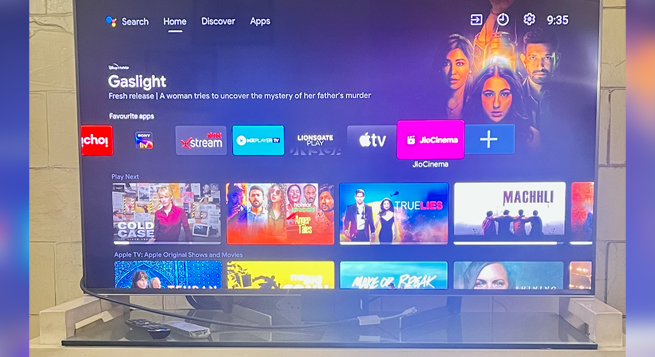
At one place the amended regulations state: “In case DPO (distribution platform operator) has deployed hybrid STBs — hybrid STB for the purpose of this regulation means a STB that uses multiple methods of receiving transmission signals with video and audio content, however, in a single instance such STB provides only one type of service — DRM shall ensure that the over- the-top app and any browser does not get access to the linear television channels offered by the DPO from its own system, and similarly, DRM for IPTV service should not get access to channels delivered through OTT platform. Provided that, all the mandatory requirements for DRM shall be complied by hybrid STBs.”
DRM is a systematic approach to copyright protection for digital media. Its purpose is to prevent unauthorized redistribution of digital media and restrict the ways consumers can copy content they’ve purchased.
DRM products were developed in response to the rapid increase in online piracy of commercially marketed material, which proliferated through the widespread use of peer-to- peer file exchange programmes. Typically, DRM is implemented by embedding code that prevents copying, specifies a time period in which the content can be accessed or limits the number of devices the media can be installed on.