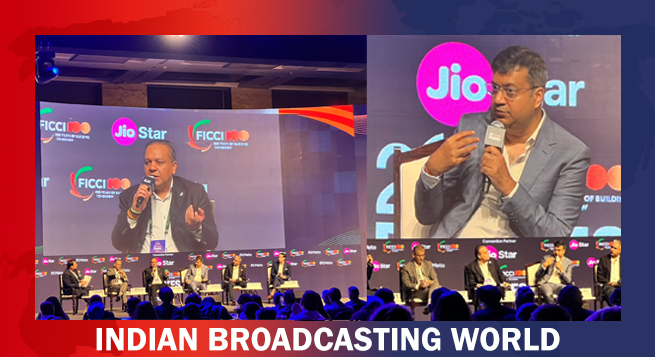
 Puneet Goenka, Gaurav Banerjee, Rahul Kanwal share views on TV ratings
 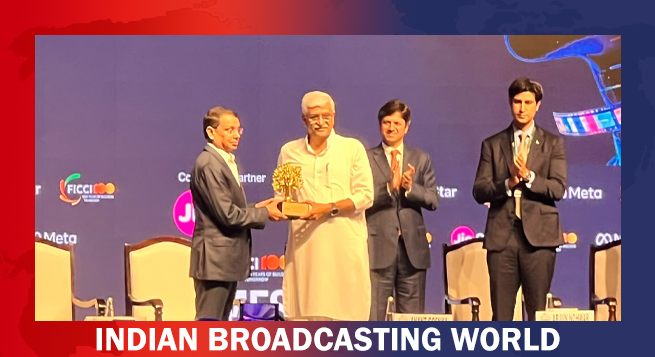 Uday Shankar urges Indian M&E sector to help nation’s global narrative
 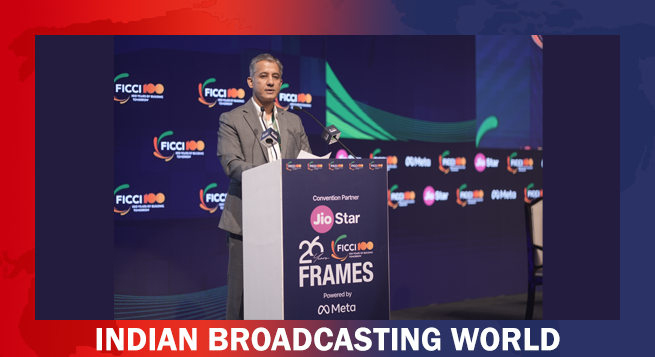 At FICCI FRAMES ‘26, Vaz bats for more innovation, regulatory flexibility
  India b’band base at 1.1bn in August, telecom subs cross 1.36bn
  ‘Ramayana’ makers unveil Yash’s Ravana look; MrBeast joins promos
  ALCOA India seeks TRAI intervention on live TV streaming
  India, Korea account for bulk of Asia video content spend: MPA
  Korean sci-fi thriller ‘Hope’ to release in India on Oct 23
  ‘Bethlehem Kudumba Unit’ to stream on JioHotstar from Oct 2
 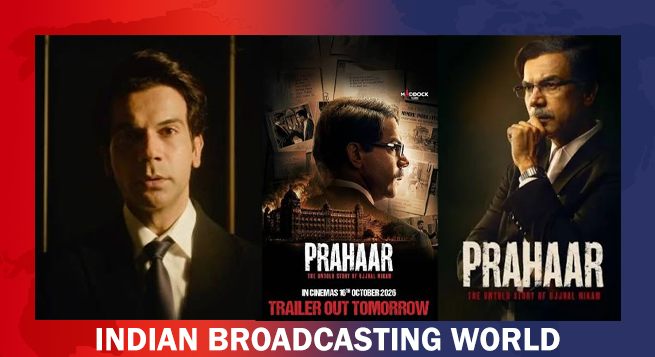 Rajkummar Rao unveils special video ahead of ‘Prahaar’ trailer launch
 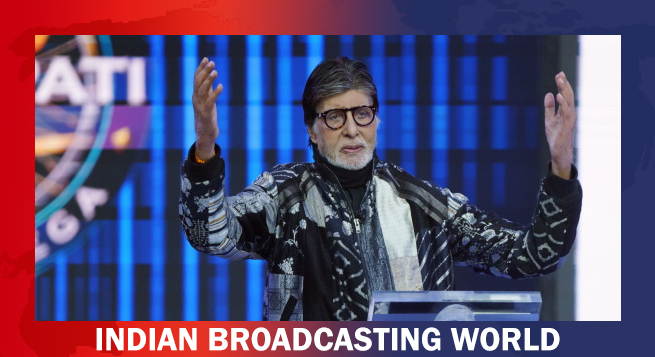 Amitabh Bachchan praises Rohit Sharma on ‘KBC 18’




Content production company Balaji Telefilms has said the pandemic has accelerated the digitalisation process in the country, which augurs well for the entertainment industry and particularly for OTT, in which it intends to ”pursue and invest” in more original contents with affordable subscription rates.
The leading media and content provider, which is present in the subscription-based video on-demand service through ALTBalaji, has become a significant OTT player differentiated by its content and affordability, PTI reported from Mumbai quoting from the latest annual report of Balaji Telefilms.
”The company intends to pursue and invest in more original content catering to the specific preferences across different genres and at industry-competitive affordable subscription rates,” said Balaji Telefilms Group Chief Financial Officer Sanjay Dwivedi on the strategy of the company.
With the success of few movie releases on the OTT platform witnessed during the year, the OTT segment is also likely to provide a platform for small-budget deep content releases, he added.
After the pandemic, several movies were released on OTT by the producers, by-passing the theatrical window, as the multiplexes were closed for significant durations during the nationwide lockdown and the second wave of COVID-19.
India presently has a mix of indigenous players such as Alt Balaji, Voot, Zee5, MX Player and Jio Cinema along with international streaming companies such as Netflix, Amazon Prime Video, SonyLiv, discovery+ and Disney-Hotstar in the segment, apart from several regional-language specific streaming platforms like ADDA and hoichoi.
”The substantial investment by telecom operators in increasing Internet penetration and new technology supports the consumer shift and further compliments the development of digital infrastructure in the country,” Dwivedi said.
He added that this auger well for the entertainment industry, particularly the OTT segment, as it enables a much wider reach for “target audience, where volume” and quality of the consumers are “equally important for sustainable performance of the business”.
The company continues to maintain its focus on TV, movie and OTT segments with an aim towards maintaining a strong balance sheet along with growth opportunities in emerging consumer trends.
On the TV business, Dwivedi said it is ”highly likely” to continue on its recovery path from the pandemic with more spending on content.
While the movie business is likely to segregate releases based on budget and star-cast, big-ticket movies would be likely opt for theatrical releases, conditional on the prevalent government restrictions.
”The company intends to continue to pursue strategic partnerships with leading players in the industry for a profitable and long-lasting growth, constrained by the objective to maintain a healthy financial position and cash flow,” he said while addressing the shareholders of the company.
On the outlook, Dwivedi said, ”We are optimistic on the outlook of the overall business, as we progress on our journey with a strategic focus on key areas of growth, financial metrics and customer satisfaction.”
While talking about 2020-21, he said its OTT business delivered exceptional performance during the year and witnessed a comeback from the traditional TV and movie segments.