 SATCAB ’26 opens with lively discussion on rules, news, multi-screen measurement
  Govt starts initiatives on AI skilling, MYWAVES, FreeDish tuners
  ‘Dhurandhar2’ BO run strong; tops Rs. 550cr mark globally
  SATCAB 2026 to spotlight future of broadcasting, OTT, digital media
  NCW summons Nora, Sanjay Dutt, Badshah over obscene songs
  ‘Bridgerton’ S5 to focus on Francesca’s story creating different buzz
  MX Player ropes in actor Arjun Rampal to headline ‘Billionaire’
  US-based Somani-led consortium aiming to buy IPL franchise RR
  Karnataka milk brand Nandini to power RCB in IPL 2026



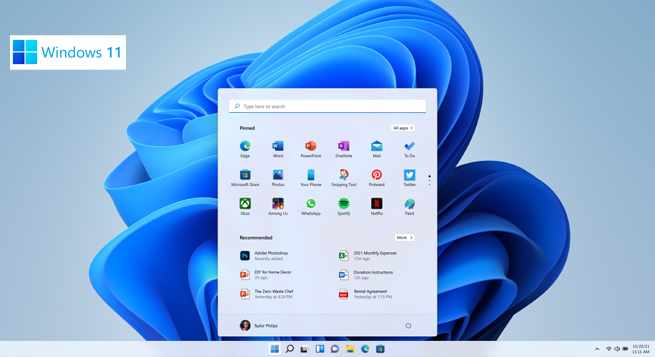
American tech company Microsoft Corporation has introduced a new feature ‘Dynamic refresh rate’ or DRR for Windows 11, which should help to improve the battery life on laptops.
The higher refresh rate display smartphones have had the software-enabled dynamic refresh rate capabilities for a while now as a battery-saving measure and although the laptops and PCs have had the high refresh rate displays for a longer time, which has taken for a while now.
According to ANI, last week, Microsoft made Windows 11 official, bringing with it a higher standard of security, a modernized UI, Start Menu, and Microsoft Store, as well as several performance improvements, touch optimizations, and gamer-specific features.
The integration will essentially let Windows 11 dial-up or down the refresh rate of the display based on the use of frequency to save power.
If users have a monitor which supports high refresh high rates of at least 120Hz and a GPU with a variable refresh rate or VRR tech like AMD Freesync and/ or NVIDIA Gsync, they will be able to turn on the settings in Windows 11.
Once if they turned on, DRR will actively and automatically swap between a 60Hz refresh rate and the higher 120Hz refresh rate depending on the task that the app lets you do.
While typing out an email or working on Photoshop could run at a lower60Hz refresh rate without any issue, browsing through a social media app, or doing a sketch, DRR will switch up to a higher refresh rate for a better experience.
Although, this is all dependent on whether or not the user’s display supports a higher refresh rate, to begin with since it won’t go magically to make a 60Hz display a 120Hz one. It’s also worth noting that Microsoft’s DRR is not VRR for the app, even though they work in quite similar ways.
While VRR refers to the general ability for displays to adjust the refresh rate on the fly, DRR is a Windows-specific feature that informs VRR-capable displays when to vary the refresh rate.
VRR relies on the user’s display hardware which switches the refresh rates, while DRR is a software implementation that controls when to automatically switch the refresh rates.