 Prime Video India spotlights 17 K-dramas as viewership surges
  Gurjeev Singh Kapoor to lead Hathway Cable as CEO
 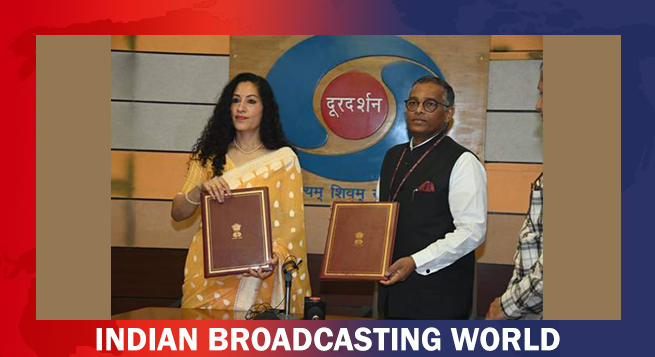 DD, Council for Cultural Relations in pact to expand content reach
  TRAI consults on satcoms networks’ unified regime, spectrum, D2D
 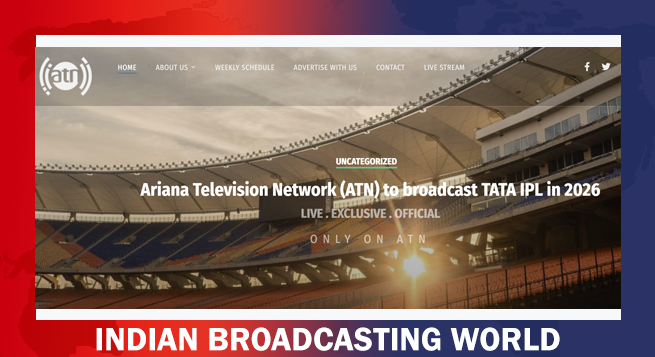 Afghan TV network ATN secures rights to broadcast IPL 2026 edition
  ‘Bloodhounds’ star Woo Do-hwan surprised by his Indian fandom
 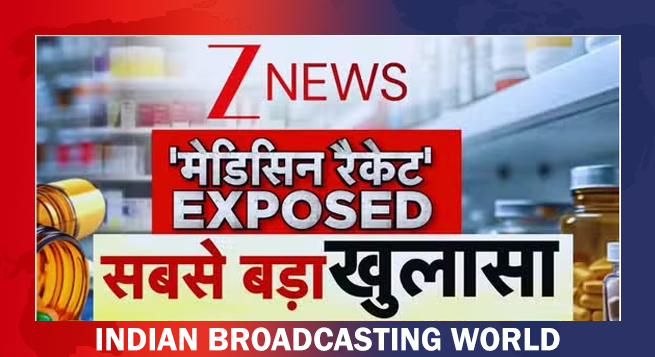 ZEE News ‘DNA’ flags drug profiteering, fake medicines’ risks
 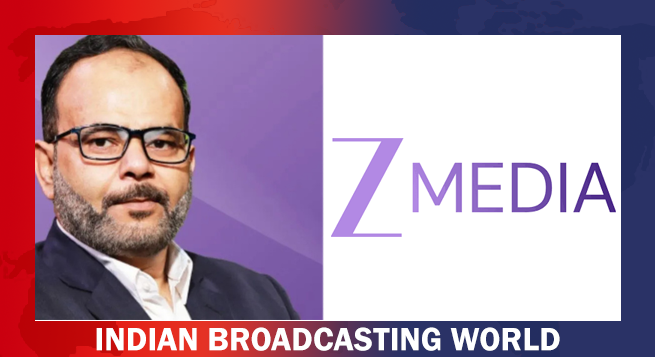 Anindya Khare exits Zee Media after five-year stint
  Bata India launches new campaign featuring Taapsee Pannu
 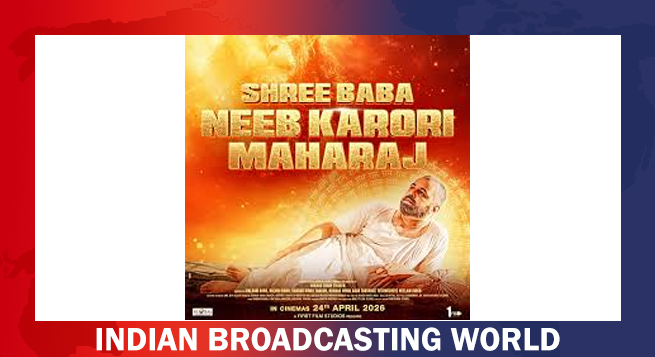 Subodh Bhave’s ‘Neem Karoli Maharaj’ set for Apr 24 release


In the context of the upcoming celebration across India, of Ram Lalla Pran Pratishtha in Ayodhya on 22nd January, 2024, the Ministry of Information and Broadcasting, Government of India has observed that certain unverified, provocative and fake messages are being spread, especially on social media, which can disturb communal harmony and public order.
According to the MIB statement, the Ministry has issued an advisory today, to newspapers, television channels, digital news publishers and social media platforms, advising them to refrain from publishing or telecasting any content that may be false or manipulated or has the potential to disturb communal harmony or public order in the country.
Further, as part of their due diligence obligations, the social media platforms have been advised to make reasonable efforts to not host, display or publish information of the nature mentioned above.
The advisory invites attention to the following provisions of the Programme Code under the Cable Television Networks Regulation Act, 1995, and Norms of Journalistic Conduct laid down by the Press Council of India under the Press Council Act, 1978, a reference to which has also been made in the Information Technology (Intermediary Guidelines and Digital Media Ethics Code) Rules, 2021.
Norms of Journalistic Conduct
“Accuracy and Fairness: i) The Press shall eschew publication of inaccurate, baseless, graceless, misleading or distorted material.
Caste, Religion or Community References: vi) It is the duty of the newspaper to ensure that the tone, spirit and language of a write up is not objectionable, provocative, against the unity and integrity of the country, spirit of the constitution, seditious and inflammatory in nature or designed to promote communal disharmony.
Paramount National Interest: i) Newspapers shall, as a matter of self-regulation, exercise due restraint and caution in presenting any news, comment or information which is likely to jeopardise, endanger or harm the paramount interests of the State and society, or the rights of individuals with respect to which reasonable restrictions may be imposed by law on the right to freedom of speech and expression under clause (2) of Article 19 of the Constitution of India.”
Programme Code
“Rule 6 (1) No programme should be carried in the cable service which:-
(c) Contains attack on religions or communities or visuals or words contemptuous of religious groups or which promote communal attitudes;
(d) Contains anything obscene, defamatory, deliberate, false and suggestive innuendos and half truths;
(e) is likely to encourage or incite violence or contains anything against maintenance of law and order or which promote anti-national attitudes;”
The Ministry has issued advisories from time to time for television, print, and digital media, including social media platforms, to maintain adherence to applicable norms and regulations applicable to the media, especially in matters related to public order, factual accuracy of information being published/broadcast, and communal harmony among various religious communities of India.