 Govt unveils revamped TV ratings framework; entry norms liberalised
  KRAFTON, DPIIT sign pact to promote digital entertainment, esports
 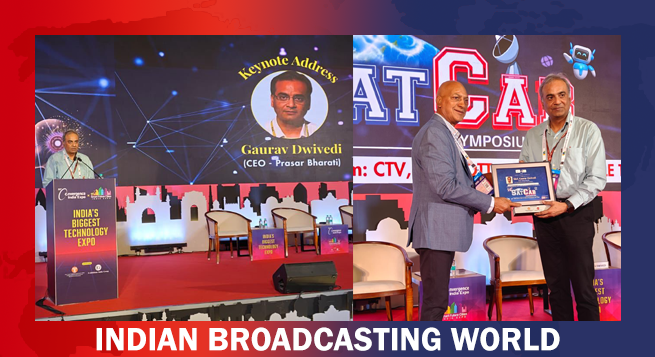 Distribution paradigms shifting, but audience remains ‘king’ Prasar Bharati CEO
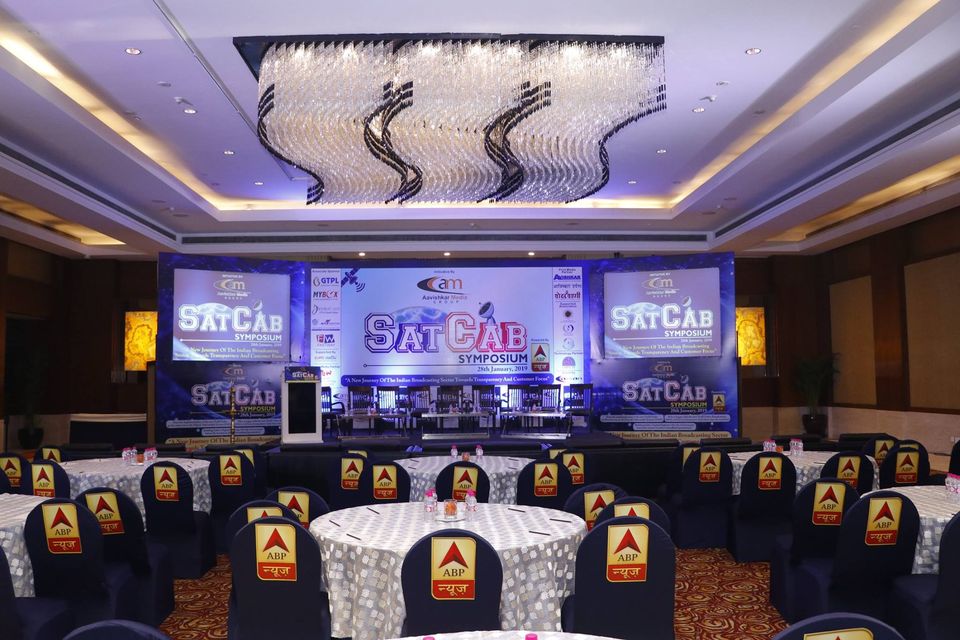
 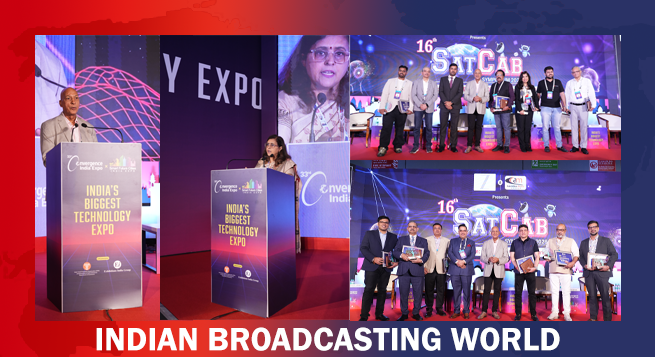 SATCAB ’26 opens with lively discussion on rules, news, multi-screen measurement
 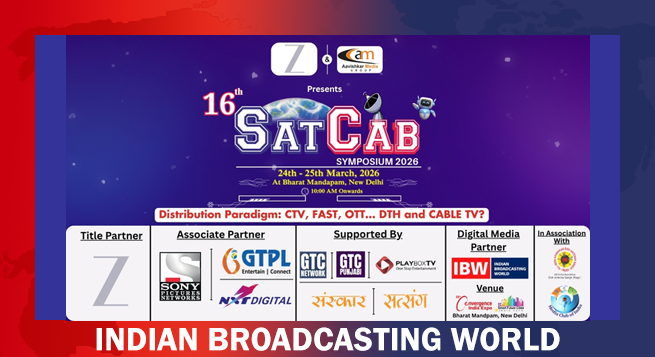 SATCAB 2026 to spotlight future of broadcasting, OTT, digital media
  Hannah Montana anniversary special hits superstar viewing numbers
  ‘Dhurandhar2′ crosses Rs. 1,000cr BO earnings globally; running still strong
  JioStar launches ‘Winning Edge’ cricket advertising playbook
 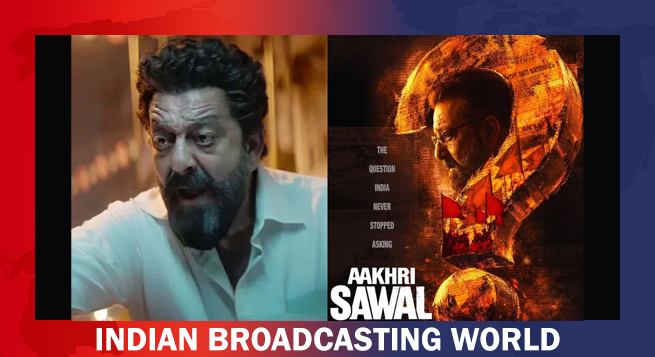 Sanjay Dutt’s ‘Aakhri Sawal’ to hit theatres on May 15



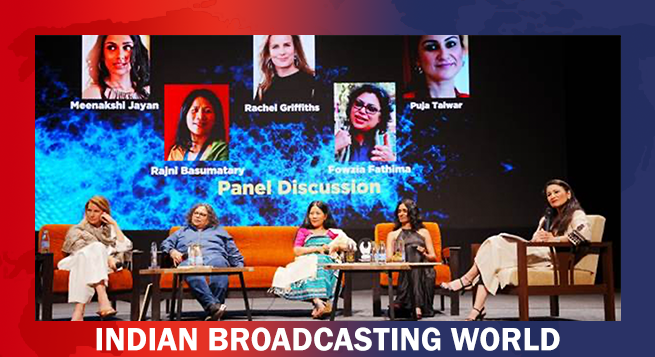
A panel discussion titled ‘A Global India Through Independent Cinema: A Women’s Panel’ at the ongoing International Film festival of India (IFFI) in Goa yesterday brought together four compelling voices — actor- filmmaker Rajni Basumatary, cinematographer Fowzia Fathima, actor-filmmaker Rachel Griffiths and actor Meenakshi Jayan — who explored how women’s creative and personal journeys were shaping the future of independent cinema.
The discussion opened with reflections on empathy as a defining element of women’s filmmaking. Fowzia spoke of how the entire creative process — from the spark of an idea to the final frame — is grounded in empathy, enabling filmmakers to transform local narratives into stories with global resonance, according to an official session gist put out by the organisers of the film fest yesterday.
Rajni added that women often notice the smallest details of life, and it is these subtle observations that allow their films to give voice to stories that might otherwise go untold.
When the conversation turned toward representation, the panel explored whether women feel ‘more seen’ in the industry today. While Rachel shared that her own industry has a growing number of women cinematographers and producers, Fowzia recounted the evolution of the Indian Women Cinematographers’ Collective, which began in 2017 with few members and has now grown to nearly two hundred, spanning juniors to seniors.
She explained how the Collective fosters mentorship and collaboration, offering the kind of supportive environment women have long needed in the industry. She also celebrated the presence of women cinematographers at IFFI, complimenting the craft of Shelly Sharma in ‘Vimukti’ and the craft of Archana Ghangrekar in ‘Shape of Momo’.
Rajni recalled how, two years ago, she was referred to a cinematographer from this Collective for her own project, affirming the impact of such networks. Meenakshi highlighted that the Kerala State Government supported an initiative that funds films made by women, adding that her film ‘Victoria’ grew out of this opportunity.
Fowzia, who served on the first selection panel for this Kerala State Government initiative supporting women-led films, pointed out concerns about men submitting projects under women’s names, underscoring the continued need for vigilance.
The panellists then moved onto the challenges of balancing filmmaking with personal life. Rachel spoke candidly about navigating the industry while raising three children, suggesting models like alternating work weeks to support women. Fowzia shared her experiences and the difficulty of returning to her craft after motherhood while expressing gratitude that her career was able to continue, especially with her upcoming commercial movie ‘Train’ featuring Vijay Sethupathi.
On the question of how actors shape on-set narratives, Meenakshi noted that newcomers often lack the freedom to choose their collaborators, but as her career grows she hopes to work with more women filmmakers. Rajni observed that OTT platforms have expanded the kind of roles available to women, giving them greater depth and presence. Fowzia added that more women actors are now moving into production, widening the circle of creative decision-makers.
Meenakshi spoke of her own desire to one day produce films, while Rachel reflected on Hollywood’s long presence of women producers and the hurdles they continue to navigate. She also touched on pay parity, noting that meaningful change requires men to acknowledge the imbalance and support efforts that ensure fairness for women.
When the discussion turned to writing and the process, Rajni spoke of grounding her stories in local realities and the generational pain experienced by her region. Her most recent film features an all-women cast to explore gender justice. Meenakshi added that her movie ‘Victoria’ was built around an all-women cast, a choice that was often questioned simply because it shifted the usual frame.
As the panel turned to the realities of making and sustaining films, Rachel noted that filmmakers should create stories that can find their audience, trusting that the right narrative will reach the people it’s meant for. Rajni added that her films have been made on small budgets and were backed by women producers, and she ensured they never faced a loss.
As the session neared its conclusion, the panelists were asked which films they believe everyone should watch. Rachel named ‘Dangal’ for its celebration of girls; Fowzia chose ‘The Power of the Dog’; Rajni recommended ‘Article 15’ and ‘Eye in the Sky’, while Meenakshi selected ‘Shiva Baby’ for its portrayal of anxiety —- adding with a playful grin that she would also recommend her own film ‘Victoria’.
Meenakshi praised the Australian film industry for its progressive landscape and recalled a film she saw at the Adelaide Film Festival that she wished she could act in. Rachel responded with camaraderie, suggesting that the four women could one day collaborate, capturing the spirit of the afternoon: women imagining new futures together and independent cinema offering the space for those futures to begin.