 Ind, Pak cricket & hockey matches most viewed in Asian Games history
  Zee completes 34 years as Subhash Chandra recalls media journey
 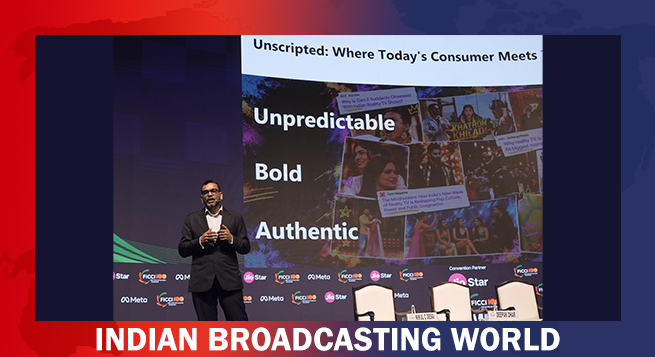 Ficci FRAMES session discusses what makes reality TV tick
 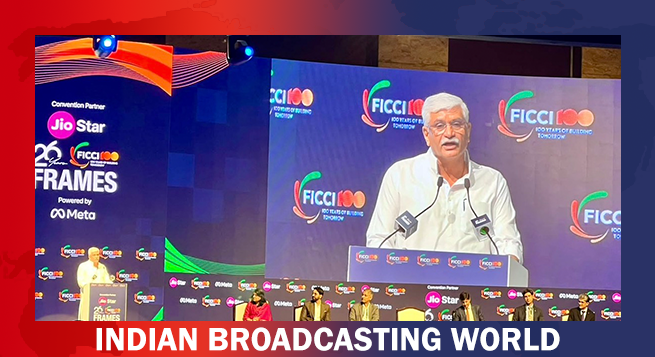 Shekhawat: India must shift from content consumer to global creator
 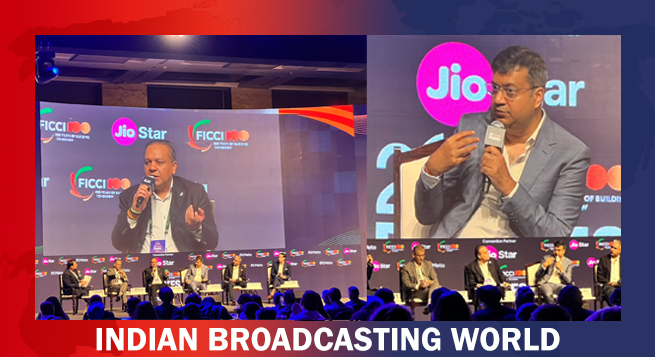 Puneet Goenka, Gaurav Banerjee, Rahul Kanwal share views on TV ratings
  ‘Imperfect Women’ returns for S2 on Apple TV
  Gracenote pushes content-first approach to CTV advertising
  BULLET Microdrama partners with 100+ AI-powered microdramas
  CBC sets Oct 21 deadline for 90 TV channels to complete empanelment
  India Today Originals wins National documentary history honour at AACA 2026



Gracenote, Nielsen’s content intelligence business, is seeking to reshape connected TV (CTV) advertising by using content-based metadata to offer advertisers a privacy-safe alternative to traditional identity-based targeting.
The approach is aimed at addressing two key challenges facing the CTV advertising ecosystem — the decline of privacy-safe tracking methods and limited program-level visibility in programmatic CTV buying. By using content as a signal, Gracenote aims to create greater transparency between media buyers, ad-tech platforms and publishers.
According to a press release, fragmentation across streaming services and platforms often makes it difficult for advertisers to access consistent program-level information across the CTV advertising supply chain. Gracenote addresses this through its Gracenote IDs and standardized content metadata, providing buyers and sellers with a common framework to identify and transact against video content.
The company said advertisers can use content attributes to inform their targeting decisions instead of relying solely on information about individual viewers. Its source-validated metadata allows advertisers to identify programming based on factors such as genre, mood, ratings and other contextual signals.
This content-led approach is intended to give advertisers greater control over where their campaigns appear while reducing their dependence on individual-level identity data. It also provides a way for brands to align advertising with the context of the programming being viewed.
Gracenote, which has traditionally operated behind the scenes powering TV guides and streaming services, is now expanding its role as a direct platform partner for media planners through Gracenote Content Connect. The platform allows agencies and brands to create custom contextual segments and activate them directly within media buying platforms.
The company’s strategy was further reflected in its first DSP integration with The Trade Desk, announced in August 2026. The integration is designed to connect Gracenote’s content intelligence with programmatic advertising workflows.
Another focus is addressing advertiser concerns around programmatic CTV, including the risk of ads appearing alongside unsuitable content and the lack of visibility into where campaigns are actually running. Gracenote provides show-level delivery logs, allowing brands to verify that campaigns have been delivered in the intended programming environments.
For brands and agencies, the company’s offering is aimed at helping advertisers shift linear TV budgets to CTV with greater confidence through verified and brand-safe delivery. For ad-tech companies, including DSPs and SSPs, the standardized content graph can help enrich bidstreams, improve inventory valuation and support programmatic deals.
For publishers and streaming platforms, Gracenote’s metadata can help transform unstructured video feeds into enriched advertising opportunities, potentially allowing them to unlock higher-value ad inventory.
With CTV increasingly becoming an important part of digital advertising strategies, Gracenote’s content-first model represents a shift towards using the nature and context of programming itself as an advertising signal, rather than relying primarily on viewer identity and tracking.