Govt. not considering rules for use of AI in filmmaking: Murugan
  DTH revenue slide to ease to 3–4% this fiscal year: Report
 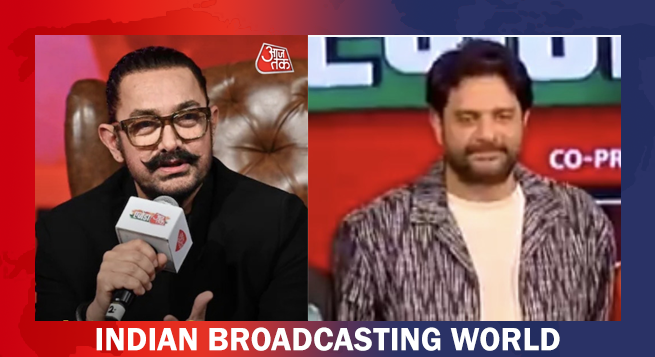 At Agenda Aaj Tak, Aamir, Jaideep Ahlawat dwell on acting, Dharam
  JioHotstar to invest $444mn over 5 years in South Indian content
  Standing firm, TRAI rejects DoT views on satcom spectrum fee
  ‘Dominic and the Ladies’ Purse’ premieres on ZEE5 Dec 19
  Amazon announces 2 new Lara Croft games; one set in India
  India marks strong M&E presence at FOCUS London ’25
  Nawazuddin, director Trehan on ‘Raat Akeli Hai’ cop universe
  Govt walking tightrope on fighting misleading info, creative freedom



The Indian government has reaffirmed its commitment to safeguarding free speech under Article 19(1) of the Constitution while addressing the rising tide of fake news, misleading information, and AI-generated deep fakes that threaten public order and democratic processes.
Minister for Information and Broadcasting Ashwini Vaishnaw yesterday in Rajya Sabha outlined the government’s comprehensive framework to combat harmful content across television, print, and digital media platforms.
The government’s response highlights that while freedom of speech is constitutionally protected, the increasing spread of misinformation has necessitated a more robust regulatory environment. To this end, various statutory frameworks already exist to ensure that content on different media platforms adheres to ethical standards, Vaishnaw said, according to an official press release.
The checks and balances in place are the following, as per the Minister:
- Television: TV channels are required to adhere to the Programme Code under the Cable Television Networks (Regulation) Act, 1995, which prohibits content that is obscene, defamatory, or deliberately false. A three-tier grievance redressal mechanism is in place, with broadcasters first self-regulating, followed by self-regulatory bodies, and oversight from the Central Government.
- Print Media: The Press Council of India’s Norms of Journalistic Conduct govern print media, restricting the publication of fake or misleading content. The Council can take action against publications, including issuing warnings or censures, following investigations into violations.
- Digital Media: A Code of Ethics has been introduced under the Information Technology Rules of 2021, which obligates digital media platforms to prevent the dissemination of false or misleading information. A grievance redressal mechanism is in place, requiring platforms to address complaints about harmful content promptly.
- Fact Check Unit (FCU): The government has also bolstered its efforts to fight misinformation through the establishment of a dedicated FCU under the Press Information Bureau. The FCU focuses on verifying news related to the Central Government and correcting false reports by posting accurate information on official government social media channels.
While the government stresses the importance of upholding free speech, it also emphasizes the need for a proactive stance to counter misinformation that can undermine public trust and disrupt societal harmony, the Minister said. The government aims to strike a balance between protecting the creative freedom of individuals and mitigating the harm caused by the spread of false information.
In his address, Vaishnaw noted that these efforts are essential not just for maintaining public order, but also for ensuring the integrity of India’s democratic institutions and processes.
This response comes amid growing concerns over the role of misinformation and AI-generated content in influencing public opinion, particularly during elections and in matters of national security.