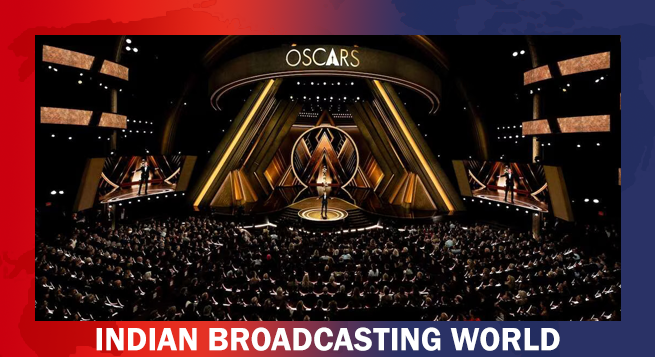
 ‘One Battle…’, ‘Sinners’, Marty…’, begin Mar15 Oscars quest
 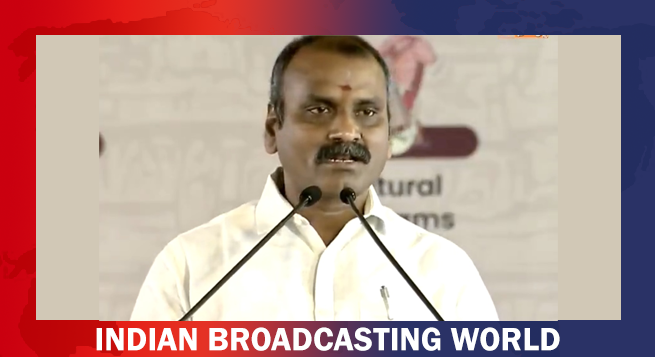 Govt admits ad code bars ‘miraculous’ claims in product ads
 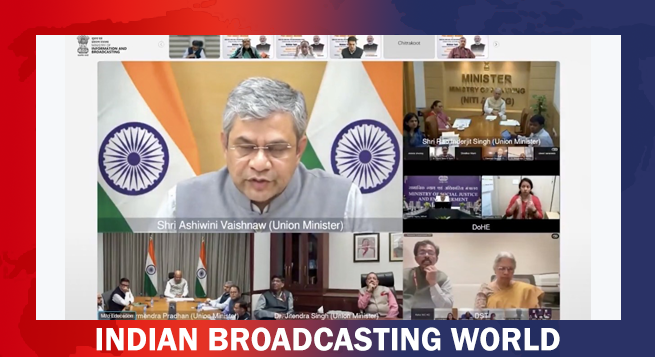 Vaishnaw: Creator economy offers citizens a democratic platform
 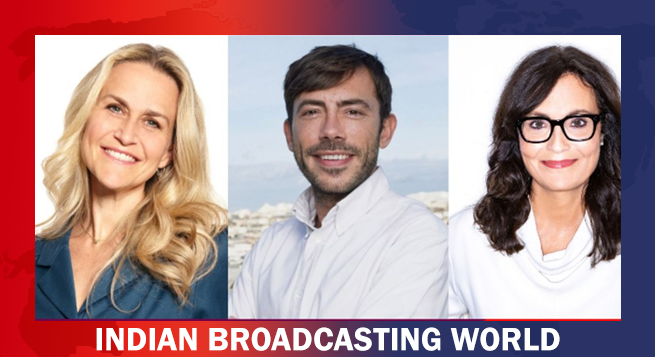 Prime Video, HBO Max executives to headline Series Mania Forum
 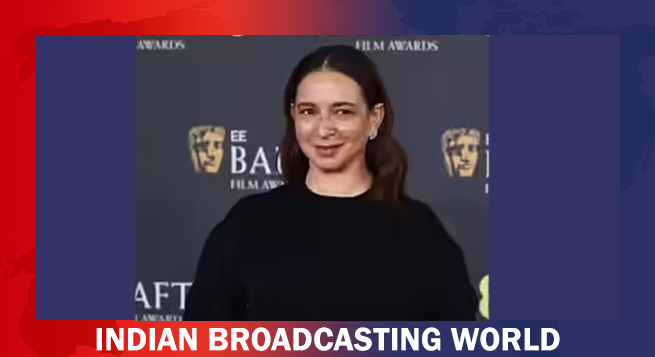 Maya Rudolph set for Broadway debut with ‘Oh, Mary!’
 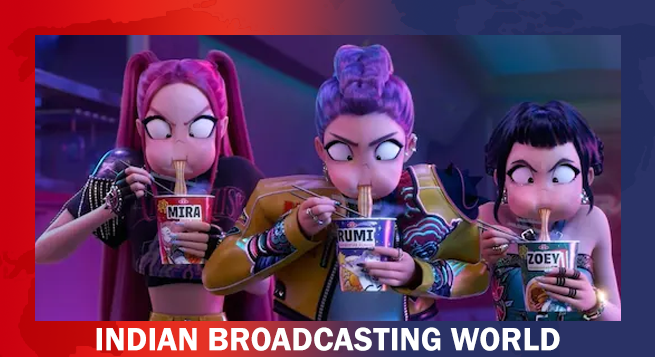 Netflix orders ‘KPop Demon Hunters’ sequel, inks deal with director Maggie Kang
 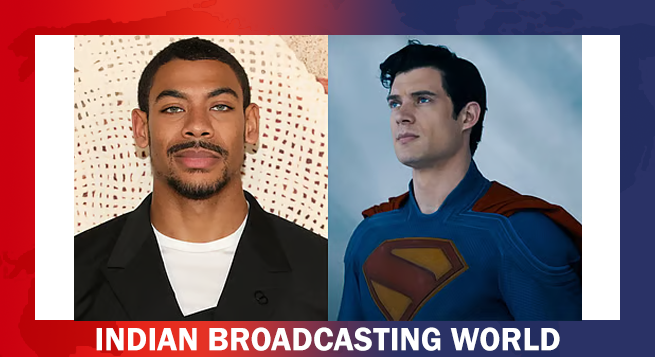 Aaron Pierre joins cast of Gunn’s ‘Superman’ sequel ‘Man of Tomorrow’
 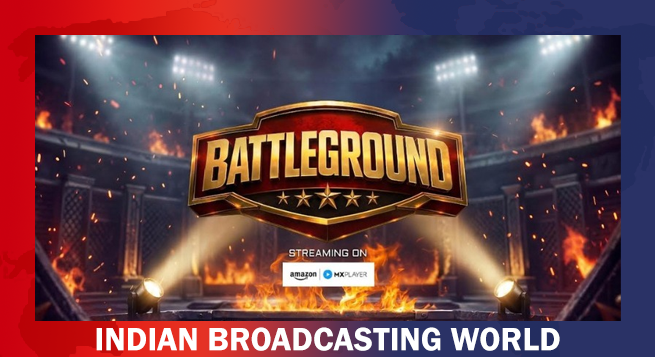 Rusk Media announces ‘Battleground’ S2 on Amazon MX Player
 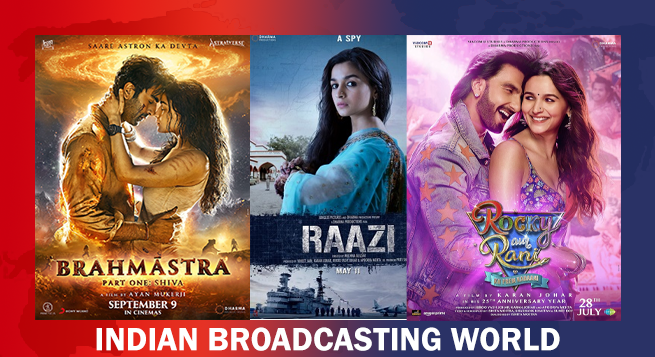 Tata Play Binge curates special b’day watchlist for Alia Bhatt




Indian MSO trade body AIDCF has knocked on the doors of Ashwini Vaishnaw, Minister for Information & Broadcasting, with its grievances against regulator TRAI’s proposal on DTH licence fee, asserting that it would — if accepted by the government— have serious ramifications on MSOs’ survival and impact broadband goals, amongst other issues.
Reiterating its earlier stand of 2023, the Telecom Regulatory Authority of India’s (TRAI) in February 2025 suggested to the government to reduce the licence fee for direct-to-home (DTH) services from 8 percent to 3 percent of the adjusted gross revenue (AGR). It went on to add that the government should explore eliminating this fee entirely after the fiscal year 2026-27, handing other sops to the DTH sector in recommendations on ‘Framework for Service Authorisations for provision of Broadcasting Services under the Telecommunications Act, 2023’.
However, the All India Digital Cable Federation (AIDCF) has been lobbying hard with various arms of the government, including the Ministry of Information and Broadcasting (MIB), to have these TRAI proposals on DTH licence fees junked.
In its letter to Vaishnaw, dated July 21, the MSO industry body said, “We respectfully submit that TRAI’s recommendations, if accepted, would have far-reaching and potentially irreversible consequences not only on the survival of multi system operators (MSOs) as viable enterprises, but also on the larger goals of broadband proliferation and digital inclusivity across the country.”
It highlighted to the Minister that the Federation has, on multiple occasions, sought to address this issue through formal representations, including a recent letter of 1June 19 to MIB mandarins, including Additional Secretary Prabhat, which “regretfully…has not received adequate consideration”.
“We would like to seek your immediate attention and request you to kindly intervene to reject TRAI’s recommendation to reduce the DTH license fee,” the AIDCF urged Vasihnaw in the letter.
To back up its assertions, AIDCF listed the following reasons:
- The proposed reduction overlooks the significant structural and commercial advantages already enjoyed by DTH operator, particularly the administrative allotment of spectrum, and therefore license fee which was part of their initial license conditions, while theyframed their business model.
- The quantum of spectrum cost if considered would have been Rs. 45000 crore for 20 years, which was allotted to DTH operator free of cost. To compensate the administrative allotment, 10 percent license fee was levied on the AGR. (The letter to Vasihnaw has as an attachement detailed computation of spectrum cost, which was also made available earlier to MIB officials).
- Both the industry players i.e. DTH & cable TV Industry (MSO, LCOs), are operating in a level playing field from last 10 years. As, both the industry players have invested heavily in last 10 years in their network and accordingly have been competing each other.
- However, further reduction in license fee now, would, therefore, deepen the existing imbalances between DTH and cable TV operators and will make the current market dynamics completely unfair and non-level playing for cable TV operators. The pay TV industry is already suffering as other services like OTT platforms, FAST channels, Connected TV and Doordarshan FreeDish don’t have similar regulations that govern MSOs and LCOs and, thus, make the playing field uneven.
The Federation also criticized the TRAI consultation process, pointing out that the January 2023 consultation paper did not explicitly seek stakeholder input on the reduction of the DTH license fee. AIDCF argues that this omission rendered the consultation non-transparent and incomplete, thus weakening the legitimacy of TRAI’s subsequent recommendation.
“We respectfully submit that the acceptance of this recommendation would have a devastating impact on the cable TV industry, potentially leading to widespread shutdowns of operations among the 880 MSOs and 1.6 lakh LCOs across the country. The resultant disruption would
jeopardize not only the livelihoods of nearly 10 lakh individuals directly associated with the sector, but also the affordability and reach of digital services in underserved regions,” the AIDCF letter to Vaishnaw added.