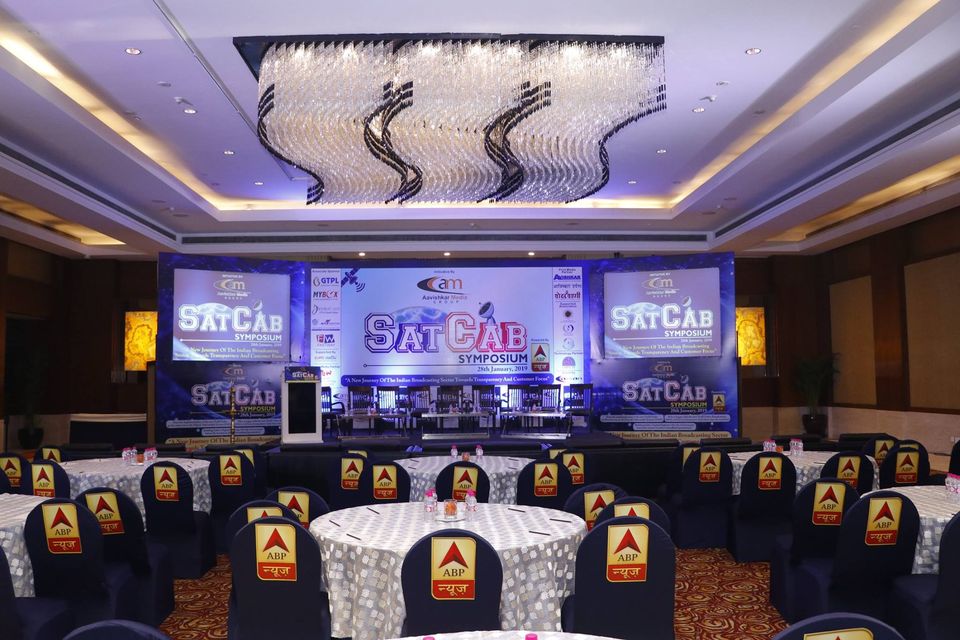
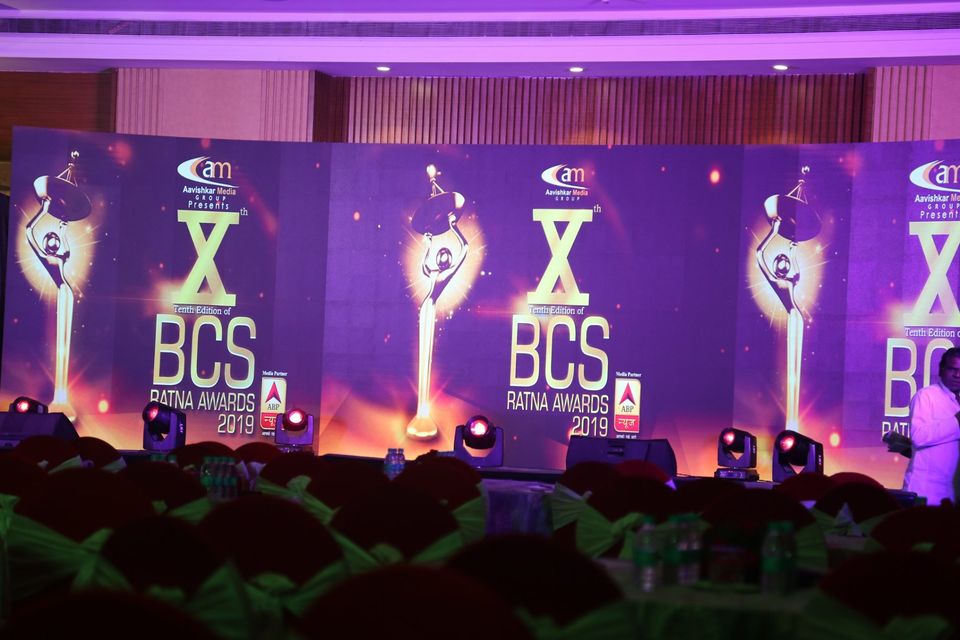
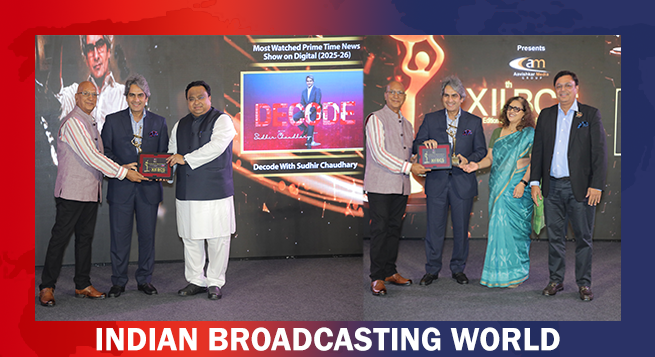
 Sudhir Chaudhary wins two big Honours at XIIᵗʰ BCS Ratna Award 2026
 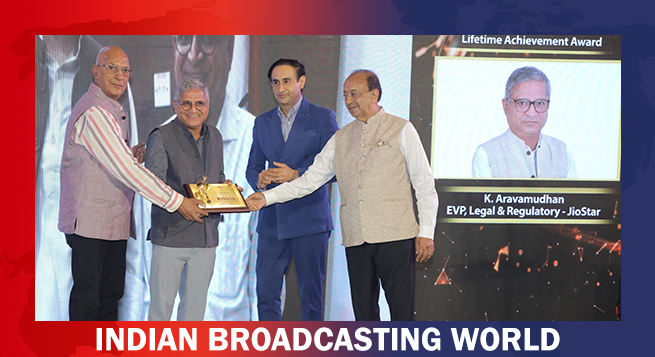 12th BCS Ratna Award: JioStar’s Aravamudhan is Lifetime Achievement honouree
  XIIth BCS Ratna Award : JioStar CEO Entertainment Kevin Vaz honoured
  XIIth BCS Ratna Award 2026: Media achievers honoured
 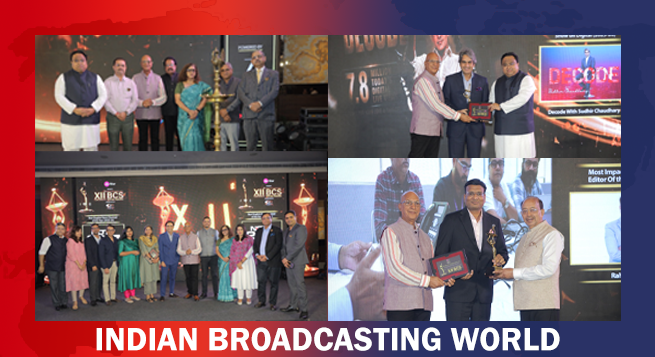 12th BCS Ratna Award a roaring success; honours excellence in M&E
  Twelfth BCS Ratna Award boasts stellar lineup; to be held on Aug 5
  Javier Bardem joins HBO’s ‘The Spread’
  ‘Family Full House’ to premiere today with Rohit Sharma
  JioStar’s ‘India Ke Top 1%’ gets seven sponsors
  ‘Golmaal 5’ release date announced
  Apple TV hosts premiere of ‘Brothers’ in LA



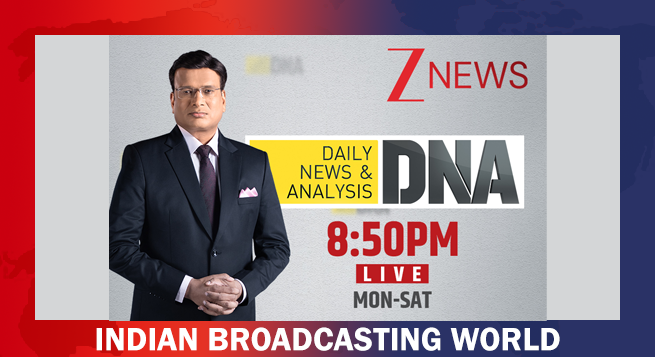
Zee News’ flagship show ‘DNA’ (Daily News & Analysis), which airs at 8.50 pm from Monday to Saturday, has once again brought citizen-focused journalism to the forefront by uncovering deep-rooted challenges in India’s healthcare and pharmaceutical systems. Known for its in-depth research and sharp analysis, the programme continues to highlight issues that directly impact the everyday lives of ordinary Indians.
In its investigative episode on August 25, ‘DNA’ revealed shocking developments that could affect millions of policyholders across the country. The Association of Healthcare Providers-India (AHPI), representing private hospitals nationwide, announced that starting September 1, it will withdraw cashless medical services for customers of a leading insurer — even for those who have already paid their premiums. This revelation, which ‘DNA’ highlighted through its latest LinkedIn update, has sparked concern among citizens who depend on cashless facilities in times of medical emergencies.
The programme explained that the ongoing crisis is linked to systemic flaws such as outdated treatment rates, arbitrary deductions, delayed claim settlements, and alarmingly low claim approval ratios. With nearly 10 percent of claims rejected annually and more than 1.5 lakh consumer complaints recorded, patients are often left financially vulnerable. In contrast, countries like Germany, Japan, Britain and Canada maintain claim settlement ratios above 95 percent, underlining the urgent need for reforms and stronger regulatory oversight in India’s healthcare sector.
But‘DNA’, according to a statement from the company, did not stop at insurance challenges. The episode further exposed a massive counterfeit medicine racket worth crores, operating through factories in Puducherry and reaching distribution hubs in Chennai, Agra, and several states including Delhi, Haryana, and Bihar.
Shockingly, the illicit trade has even expanded into Nepal and Bangladesh. By using advanced tools such as AI-generated QR codes and sophisticated packaging, counterfeiters have made it nearly impossible to distinguish fake drugs from genuine ones. With studies indicating that 10–20 percent of medicines sold in India are counterfeit or substandard, the risks to public health are grave.
Despite stringent legal provisions, including life imprisonment for those convicted, the conviction rate remains abysmally low. This failure of enforcement exposes millions of citizens to both financial and health-related dangers. ‘DNA’ argued that the solution lies in tighter government monitoring, improved regulatory vigilance, and collective action by healthcare authorities, insurers, and policymakers.