 Sudhir Chaudhary wins two big Honours at XIIᵗʰ BCS Ratna Award 2026
  12th BCS Ratna Award: JioStar’s Aravamudhan is Lifetime Achievement honouree
 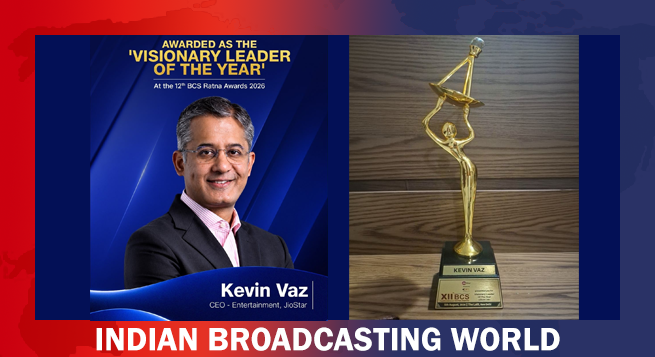 XIIth BCS Ratna Award : JioStar CEO Entertainment Kevin Vaz honoured
  XIIth BCS Ratna Award 2026: Media achievers honoured
  12th BCS Ratna Award a roaring success; honours excellence in M&E
  Twelfth BCS Ratna Award boasts stellar lineup; to be held on Aug 5
  Javier Bardem joins HBO’s ‘The Spread’
 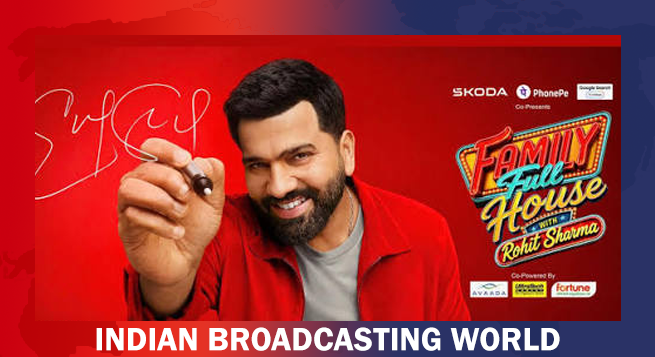 ‘Family Full House’ to premiere today with Rohit Sharma
  JioStar’s ‘India Ke Top 1%’ gets seven sponsors
  ‘Golmaal 5’ release date announced
  Apple TV hosts premiere of ‘Brothers’ in LA




Following a period of consultation, UK communications regulator Ofcom has decided not to remove the stricter TV advertising rules that apply only to commercially-funded public service broadcasters at this point of time.
All UK broadcasters are subject to restrictions on the quantity and scheduling of advertising on their channels. But the commercial public service broadcasting (PSB) channels – ITV, STV, Channel 4, S4C and Channel 5 – are subject to tighter advertising restrictions than non-PSB commercial channels, such as ITV2, 5USA and Pick.
“While we remain of the view that there may be merit in harmonising TV advertising rules by relaxing the additional restrictions on PSBs, we have decided to retain the status quo for the time being.
“In reaching this decision, we recognised that the potential benefits to audiences, public service broadcasters and the wider market are uncertain. We also took into account that proceeding would mean that viewers would be likely to see increased advertising in ‘peak’ evening hours which contain news. This in turn could lead to a reduction in news minutes, which risks diminishing a particularly important genre of PSB content with high societal value,” Ofcom said in a statement yesterday.
Instead, Ofcom considered it appropriate to consider the impact of changes to TV advertising rules on viewers in the broader context of other changes to the PSB system in the coming years, including the implementation of the Media Bill.